





Pay Restored, Problems Remain
The recent decision to resume pay for Transportation Security Administration (TSA) personnel, following a period of governmental shutdown, offers a welcome
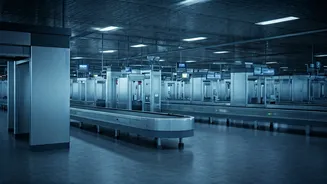
respite for affected employees. However, for the average air traveler, this financial adjustment for TSA staff does little to alleviate the persistent issues plaguing airports. The airline industry is currently grappling with a complex array of challenges that extend far beyond the immediate payroll concerns of security agents. These systemic problems, including insufficient staffing levels across various sectors and escalating operational expenses, are projected to keep air travel inconvenient and costly for the foreseeable future, diminishing the glamour previously associated with flying. This means that even with TSA agents back on their regular pay schedules, the anticipated improvements in airport efficiency and affordability are unlikely to materialize quickly, as the root causes of these disruptions are more deeply entrenched.
Staffing Shortfalls Deepen
The financial strain of the government funding lapse has had a significant impact on TSA staffing, with hundreds of officers choosing to resign due to weeks without pay. These individuals, often earning a starting salary around $40,000 annually and living paycheck to paycheck, found the prolonged wage suspension untenable. Even with the assurance of future pay, the agency faces a considerable challenge in replenishing its workforce. It takes a substantial four to six months to train new TSA officers, a timeline that makes filling the vacancies before major events, such as the upcoming FIFA World Cup, highly improbable. Officials have voiced serious concerns about a potential 'perfect storm' of severe staffing shortages coinciding with an anticipated surge in passenger numbers, exacerbating the existing delays. The issue of recruitment is further complicated by a diminished sense of job security among potential applicants, who may be dissuaded from joining the TSA pipeline due to the demonstrated lack of stability.
Aviation Costs Soar
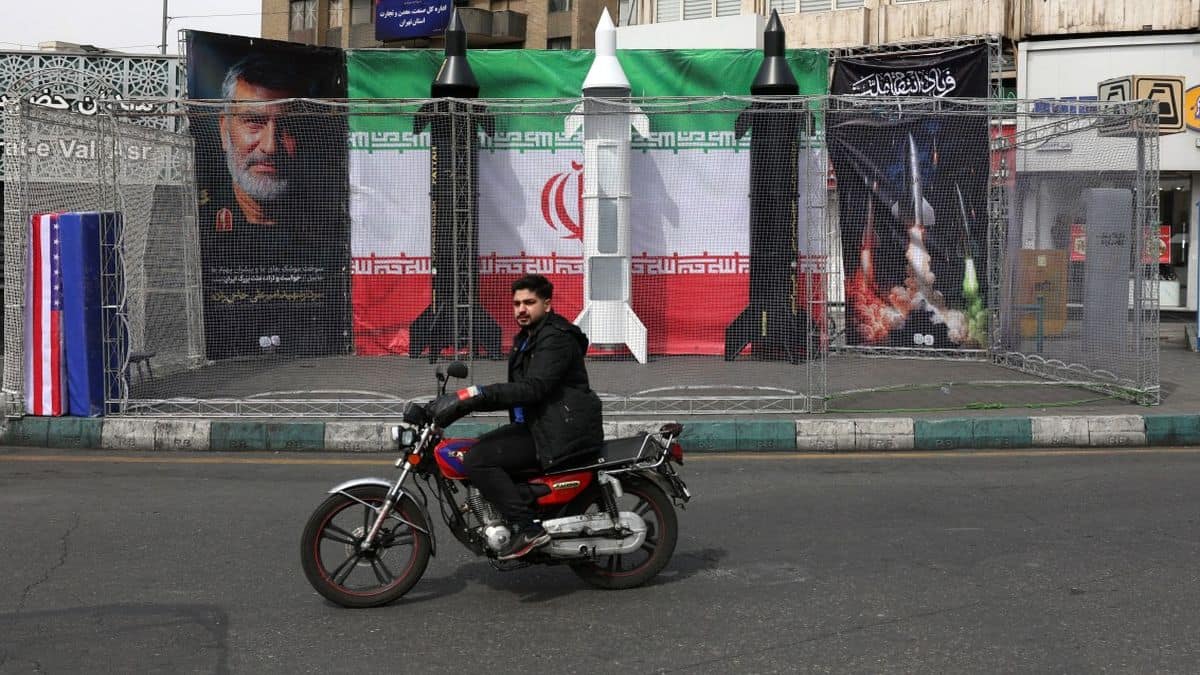
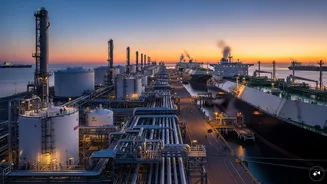
The expense of flying is on a significant upward trajectory, driven primarily by escalating jet fuel prices. Geopolitical events, specifically the ongoing conflict involving the US and Iran, have dramatically impacted global oil markets, pushing prices to nearly $200 a barrel, a stark contrast to the previous average of around $100. Airlines are increasingly passing these elevated costs directly onto consumers, with carriers like Qantas Airways, Air India, and Thai Air already signaling forthcoming fare increases. The disruption to crucial maritime trade routes, such as the Strait of Hormuz—a vital artery for approximately 20% of the world's oil and liquefied natural gas—coupled with damage to oil infrastructure in regions like the UAE, has created an unstable energy market. Furthermore, airspace closures in certain countries necessitated by the conflict have forced airlines to implement costly flight rerouting and seek alternative air corridors, adding to operational burdens and further contributing to higher ticket prices for passengers.
Traveler Anxiety Grows
The confluence of these factors—rising ticket prices, potential safety concerns stemming from geopolitical instability, and the fallout from airline industry staffing issues—is fostering a growing sense of anxiety among air travelers. This apprehension could very well lead individuals to reconsider booking flights, especially given the increasing cost. Recent surveys indicate a concerning trend: nearly half of respondents expressed a decline in their confidence regarding air travel safety. This sentiment is particularly pronounced among higher-income individuals, a demographic crucial to the travel industry due to their frequent flying habits. Confidence levels in air travel safety are disturbingly low, with less than 30% of surveyed individuals reporting feeling secure. While the surveys don't pinpoint specific reasons for this declining trust, potential contributing elements include the impact of global conflicts on international journeys, the financial pressures of soaring fares during economic uncertainty, the ripple effects of workforce shortages within airlines, and a series of unfortunate recent aviation incidents that have garnered significant public attention.