






Give Them Space
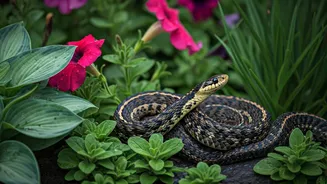
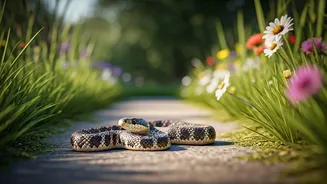
The primary rule when you discover a snake in your garden is to maintain a respectful distance. These creatures generally prefer to avoid human interaction
and seek out quiet, concealed locations. Approaching them can be perceived as a threat, which might elicit a defensive response. It's best to simply step back and allow the snake the opportunity to move on its own accord. Sudden movements can also be unsettling for snakes, as they are sensitive to vibrations. By moving slowly and deliberately, you can help ensure a calm coexistence. Often, the snake will depart without further incident if left undisturbed, disappearing back into its habitat as quietly as it appeared.
Observe From Afar
If it's safe to do so, observing the snake's movements from a secure vantage point, such as from a window or the edge of your property, can be informative. This allows you to track its path and identify potential hiding spots, which might include areas under decks, sheds, or near foundations. By monitoring its behavior, you can ensure it safely exits your garden and also gain insights into patterns that might attract snakes repeatedly. Keeping a mental note of the time of day, weather conditions, and specific locations where snakes are spotted can reveal recurring trends. Understanding these patterns helps in proactive garden management, as snakes are often drawn to areas that offer consistent food sources or adequate shelter.
Professional Help
In situations where direct interaction with children, pets, or neighbors is a concern, or if you suspect the snake might be venomous, contacting wildlife removal specialists is advisable. These trained professionals possess the expertise to accurately identify snake species, including potentially dangerous ones like vipers or pit vipers, and can handle them safely. Even non-venomous snakes may need to be relocated if they repeatedly venture into high-traffic areas of your property, posing a recurring concern. Seeking professional assistance ensures the safety and well-being of both humans and the snake, promoting a harmonious resolution to the encounter.
Avoid Provocation
It cannot be emphasized enough: resist the urge to poke, prod, or chase the snake. Using sticks to nudge it or throwing objects at it are counterproductive and can provoke a defensive bite, even from a non-venomous species. Cornering the snake or trying to force it in a particular direction significantly increases the risk of an aggressive reaction. Snakes can move with surprising speed when they feel threatened, and their movements can appear unpredictable. Patience is a virtue in these encounters; most snakes will seek their own escape route if given the opportunity. Remember, their sudden bursts of speed are typically a defense mechanism to flee danger, not an attack.
Garden Pest Control
Snakes play an often-underappreciated role in maintaining a healthy garden ecosystem. They are natural predators that help control populations of rodents, slugs, and insects, thereby reducing damage to plants and crops. This natural pest control can lessen the need for chemical treatments, contributing to a more sustainable garden environment. The presence of a few snakes can significantly aid in keeping your garden balanced and thriving. While an initial sighting might feel unnerving, recognizing their beneficial function can shift your perspective. Their presence is often temporary, especially if the garden doesn't offer abundant food or shelter, making them valuable, albeit quiet, allies.
Deter Unwanted Guests
To minimize the chances of snakes frequenting your garden, it's beneficial to make the environment less appealing to them. Keeping your lawn neatly trimmed and regularly removing debris such as leaf litter and woodpiles can eliminate potential hiding spots. Sealing any gaps or openings under sheds, porches, or foundational structures can prevent them from finding shelter. Crucially, controlling rodent populations is essential, as a lack of food sources will naturally deter snakes. Implementing these simple, consistent maintenance practices can significantly reduce the likelihood of repeat visits, contributing to a more snake-resistant garden.