





Choose Sustainable Materials
To begin creating your eco-friendly Ganesha idol, selecting sustainable materials is critical. Traditional clay, particularly *shadu mitti* sourced locally,
is an excellent choice as it dissolves easily in water, causing minimal environmental impact. If *shadu mitti* is unavailable, consider other alternatives such as paper pulp, which is a blend of recycled paper and glue, making it easily biodegradable. Another viable option is using Plaster of Paris (POP), although it isn’t eco-friendly, it’s a quick method, and you can paint it using natural colours. Make your idol by hand for the best results, as molds, even of eco-friendly materials, have a significant environmental footprint, so try to reduce the overall impact by using your hands. Using these materials will ensure that the celebration honors the deity while also respecting the environment.
Step-by-Step Idol Creation
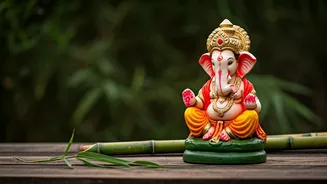
Once you have gathered your materials, start by preparing the clay or paper pulp by ensuring it’s the right consistency, smooth and workable. Begin sculpting the base of the idol, ensuring a stable foundation. Then, gradually build the form, shaping the body, limbs, and head of Lord Ganesha, paying close attention to proportions and details. Use tools, such as sculpting tools or even household items, to refine the features, adding definition to the face, ears, and trunk. Allow the idol to dry completely, which might take several days depending on the size and material used. Once dried, you can start painting. Remember, this handmade approach not only fosters creativity but also strengthens your bond with the idol. Embrace this mindful process and welcome Lord Ganesha in an environmentally conscious way.
Embrace Natural Colors
The next step is to select eco-friendly paints that can enhance your idol. Choose natural, non-toxic colors derived from plant-based sources or natural minerals. Turmeric powder, for instance, provides a vibrant yellow, while beetroot powder offers a rich red. Using natural colours ensures that the idol remains environmentally friendly. Other options include food-grade colours or organic paints readily available. Mix these with water to achieve the desired consistency and apply them carefully to the dried idol. Avoid paints that contain harmful chemicals or synthetic materials, which can leach into the water during immersion. Your choice of colours plays a significant role in making the celebration green. This also allows you to enjoy the festive spirit while protecting the environment.
Decorating the Idol
After the idol is painted, it is time to enhance its appearance by adding decorative elements. Embellish the idol with natural decorations like flowers and leaves, which are biodegradable and add a touch of natural beauty. You can also use colourful beads made from clay, seeds, or other natural materials to create garlands or adornments. Avoid using plastic or synthetic materials to keep it eco-friendly. These options will further enhance the visual appeal of your idol and ensure that the decoration complements the sustainable ethos of your project. By incorporating natural decorative elements, you will be able to show your creativity and add a personal touch to your creation.
Eco-Friendly Immersion Ritual
The immersion of the idol is a significant part of the Ganesh Chaturthi celebration, so ensure you perform it responsibly. Always immerse the idol in a designated location, such as a natural water body like a lake or river, or in a tank prepared specifically for this purpose. This practice helps to reduce the pollution of water sources. Avoid immersing the idol in the sea, if possible. Once immersed, allow the idol to dissolve naturally. This promotes the decomposition of the idol. Follow local guidelines regarding immersion locations and practices to ensure you are contributing to sustainable celebration. This mindful approach to immersion respects both the deity and the environment, ensuring the festival's legacy for future generations.
Community Engagement
Making eco-friendly idols can be a community effort, and this festive season, you can encourage your friends, family, and neighbours to adopt sustainable practices. Share your knowledge and encourage others to try creating their idols using eco-friendly materials. It can serve as a powerful way to raise awareness about environmental issues. Many communities and organizations organize workshops or events. Participating in these workshops provides hands-on learning and fosters a sense of collective responsibility. Social media platforms can also serve to connect and share experiences, and inspire others to adopt these practices. Participating in community events provides the opportunity to celebrate the festival with environmental consciousness.