








Winter's Cardiac Impact
The colder temperatures of winter significantly influence cardiovascular well-being. Blood vessels constrict in response to the cold, leading to increased
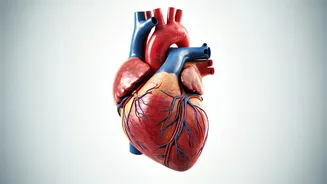
blood pressure. This constriction necessitates the heart working harder to circulate blood throughout the body. The heart's workload elevates further as the body attempts to maintain its core temperature. This combination of factors places additional strain on the heart, potentially exacerbating existing conditions. The increased prevalence of respiratory infections during winter, such as the flu, also heightens the risk of cardiovascular events. Furthermore, reduced physical activity during colder months can contribute to weight gain and a decline in overall fitness, which negatively impacts heart health. Understanding these seasonal influences is crucial for proactive heart care.
Stay Healthy: Tips
Maintaining heart health throughout winter involves a variety of proactive measures. Firstly, dressing warmly in layers is crucial to minimize the body's response to cold temperatures, thus reducing strain on the heart. Regular exercise, even indoors, is essential. Aim for at least 30 minutes of moderate-intensity exercise most days of the week to promote healthy blood flow and maintain fitness levels. Dietary adjustments are also important. Focus on a balanced diet rich in fruits, vegetables, and whole grains, while limiting saturated and trans fats. Staying hydrated is often overlooked during winter, but crucial; drink plenty of water throughout the day. Manage stress effectively through techniques such as meditation or yoga, and ensure you get adequate sleep. Additionally, be mindful of your sodium intake, as high sodium levels can contribute to high blood pressure. Avoid excessive alcohol consumption and smoking, which further compromise cardiovascular health.
Early Warning Signs
Recognizing potential cardiac issues during winter is critical for timely intervention. Several warning signs should never be ignored. Chest pain, pressure, or discomfort, especially if accompanied by shortness of breath, nausea, or sweating, can indicate a heart problem and requires immediate medical attention. Unusual fatigue or weakness, even after minimal exertion, could be a sign of reduced heart function. Irregular heartbeats, such as a rapid or fluttering sensation in the chest, should also be evaluated promptly. Swelling in the ankles, feet, or legs can indicate fluid retention due to heart failure. Moreover, if you experience dizziness, lightheadedness, or fainting spells, it's essential to seek medical advice. If you notice any of these signs, don't delay consulting a cardiologist.
Seek Expert Help
Consulting a cardiologist and undergoing regular check-ups are essential aspects of maintaining heart health, especially during winter. A cardiologist can assess your cardiovascular risk factors, evaluate your overall heart health, and provide personalized recommendations for lifestyle modifications and treatments. Regular check-ups include blood pressure monitoring, cholesterol level assessments, and potentially other diagnostic tests such as an electrocardiogram (ECG) or stress test. These evaluations can help identify early signs of heart disease and enable timely intervention. Discussing your health concerns with a cardiologist empowers you to proactively manage your heart health and reduce your risk of cardiovascular events during the winter season. Always follow the specific guidance provided by your doctor, as individual needs and circumstances vary.