
The Chemical Conundrum
The beauty industry is witnessing a significant shift as consumers become more discerning about the ingredients they use, extending this scrutiny to scalp
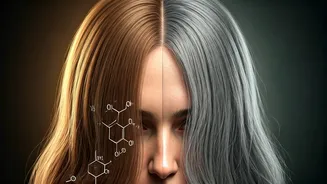
health. Hair coloring, once solely an aesthetic pursuit, is now being examined for its long-term effects on hair vitality. This growing awareness is spotlighting hair color formulations that are free from ammonia and hydrogen peroxide. Modern approaches to hair coloring prioritize safety, focusing on trends like pH-controlled coloring systems that maintain cuticle integrity. These systems often utilize hybrid alkaline bases devoid of ammonia and employ reduced peroxide levels for lightening, aiming to minimize damage while still achieving brilliant color results. Innovations also include lower peroxide concentrations, the use of plant-derived pigments, and nanotechnology for uniform color deposition. The emphasis is on fostering long-term scalp health and mitigating the irritation often associated with traditional ammonia and hydrogen peroxide-based formulas. Traditional hair dyes depend heavily on ammonia to gently lift the hair's outer layer (cuticle) and hydrogen peroxide to remove natural pigment before adding new color. While these chemicals deliver immediate visual results, their repeated application can gradually weaken the hair's internal structure. This often leads to consequences such as dryness, brittleness, a dull appearance, and increased scalp sensitivity. Crucially, the cumulative damage from these harsh substances may not become apparent until significant deterioration has already occurred. Concerns about chemical-heavy hair coloring are becoming a prominent part of consumer discussions, highlighting the urgent need for gentler, low-chemical alternatives.
Damage Mechanisms Explained
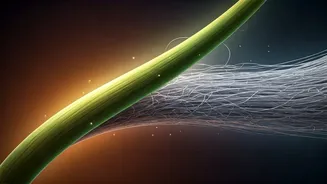
The process by which chemical hair dyes inflict cumulative structural damage is multifaceted, primarily involving ammonia, PPD (para-phenylenediamine), and hydrogen peroxide. This intricate damage pathway can be broken down into three critical steps. Firstly, ammonia acts as an alkalizing agent, forcing open the hair cuticles to allow color penetration. This structural disruption makes the hair vulnerable. Secondly, hydrogen peroxide plays a crucial role in bleaching the hair by breaking down disulfide bonds within the hair shaft. This process can lead to a significant loss of protein, ranging from 93% to as much as 307%, severely compromising the hair's strength and integrity. Finally, the oxidation reactions triggered by these chemicals generate free radicals. These unstable molecules cause irreversible harm to the hair, leading to issues like brittleness, increased breakage, and a loss of natural elasticity. The long-term repercussions of using such chemical dyes extend beyond visible hair damage and can include more serious issues such as scalp dysbiosis, potential links to certain cancers, and progressive hair thinning. In stark contrast, organic alternatives offer a nurturing approach. Products like those designed with natural ingredients can condition the hair without relying on harsh chemicals, actively helping to preserve the scalp's natural pH balance, typically between 4.5 and 5.5, and maintain a healthy microbiome. A comparison clearly shows that traditional chemical dyes are unsuitable for individuals undergoing certain medical treatments like chemotherapy or during pregnancy due to their aggressive nature and cumulative damage potential. Organic options, conversely, are nourishing and suitable for regular, safe use. The overarching benefit of organic hair colors is their ability to build hair health incrementally over time, making them an ideal choice for individuals who color their hair frequently and are concerned about its ongoing well-being.
Healthier Hair Dye Futures
Ammonia, notorious for its pungent odor, frequently causes scalp irritation, particularly for individuals with sensitive skin. Hydrogen peroxide, on the other hand, disrupts the hair's intrinsic melanin, gradually leading to thinning strands and a loss of vibrancy and vitality. Prolonged exposure to hydrogen peroxide in hair coloring can even accelerate the natural greying process, causing hair to turn gray more rapidly over time. This combination of harsh chemicals profoundly compromises both the inherent strength and the resilience of the hair structure. Emerging hair color solutions are designed to address these issues by offering a gentler approach. Formulations free of ammonia and hydrogen peroxide are engineered to color hair without aggressively altering its natural composition. Rather than forcing open the cuticle, these milder alternatives work in synergy with the hair, helping to preserve its integrity while still delivering noticeable color results. A new generation of organic and damage-conscious hair color innovations is at the forefront of this movement. Certain gel-based hair color formulations are intentionally created without ammonia, hydrogen peroxide, or PPD, reflecting a broader commitment to minimizing chemical exposure and prioritizing long-term hair health. These formulas are designed to deposit color effectively without stripping the hair of its natural strength, making them a suitable option for frequent users. What distinguishes these advanced formulations is not merely the exclusion of harsh chemicals but their strategic focus on sustained, positive outcomes. By reducing scalp irritation and preserving the hair's natural moisture balance, they contribute to maintaining softness, shine, and overall hair quality over extended periods. For individuals who regularly color their hair, this difference can be substantial. As discussions around beauty products increasingly emphasize ingredient consciousness, the demand for safer, gentler alternatives is expected to grow. Choosing hair color options that are free from ammonia and hydrogen peroxide is evolving from a mere trend into a deliberate choice for safeguarding hair health over the long term.