




Cottage Garden Charm Explained
A cottage garden is a style celebrated for its informal, abundant, and charming aesthetic, echoing centuries of horticultural tradition. It's characterized
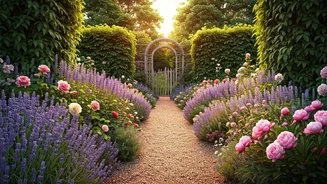
by a riot of flowers in diverse colors, shapes, and sizes, arranged in a relaxed, almost artfully dishevelled manner. Unlike rigidly structured formal gardens, cottage gardens embrace winding paths, irregular planting beds, and a general sense of gentle wildness. This style also harmoniously incorporates natural materials such as stone, wood, and brick for features like retaining walls, fencing, and rustic furniture, enhancing its organic appeal. Beyond mere aesthetics, these gardens are designed to be ecologically beneficial, actively attracting a variety of wildlife including birds, butterflies, and bees through their diverse plant life, making them both a beautiful and functional addition to any home.
Essential Cottage Garden Elements
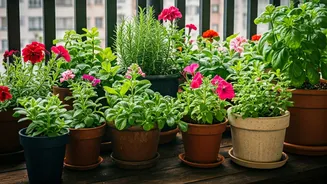
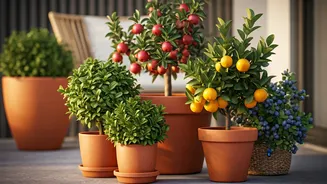
The heart of a cottage garden lies in its profusion of blooms, achieved by planting a wide array of flowers with varying colors, forms, and heights to create a vibrant tapestry. Its layout deliberately eschews formality, favoring meandering pathways and organically shaped beds that evoke a sense of relaxed spontaneity and gentle disorder. The integration of natural elements like weathered wood, local stone, and aged brick lends a timeless, rustic quality to structures and decorative features. A key aspect is the deliberate mix of plant types; it's not solely about flowers but also incorporates herbs, vegetables, and even small fruit trees, promoting biodiversity and a productive ecosystem. This thoughtful planting strategy cultivates a haven for wildlife, providing essential food sources and shelter for beneficial insects and birds. Furthermore, the overall ambiance often evokes a nostalgic charm, reminiscent of traditional English country gardens, imbuing the space with a sense of history and tranquil beauty.
Creating Your Cottage Garden
Embarking on creating your own cottage garden begins with thoughtful planning. Start by sketching your garden's layout, considering the available space, sunlight patterns, and the desired placement of paths and planting areas. The next crucial step is selecting your plants, choosing varieties that suit your local climate and soil conditions, and opting for a mix that ensures continuous bloom throughout the seasons. Preparing the soil is paramount; enrich it with compost and organic matter to boost fertility and drainage. When planting, don't shy away from a dense approach to achieve that signature lush, overflowing look characteristic of this style. Enhance the garden's charm and utility by incorporating features made from natural materials, such as stone pathways, wooden trellises, charming bird baths, and inviting rustic seating areas. Finally, ongoing maintenance, including watering, weeding, and occasional pruning, is necessary, but remember that cottage gardens thrive on a bit of wildness, so embrace imperfection.
Planting for Abundance and Charm
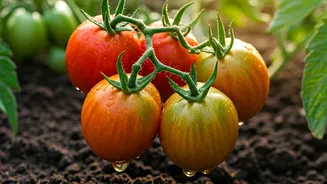
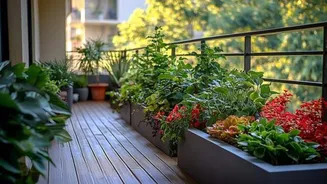
To cultivate a truly enchanting cottage garden, a diverse selection of plants is key. Among the favored flowers are timeless roses, fragrant lavender, dramatic foxgloves, stately hollyhocks, cheerful daisies, and vibrant poppies. Also excellent choices are phlox, asters, salvias, coneflowers, sunflowers, zinnias, and marigolds, offering a spectrum of colors and forms. Complementing these floral beauties are essential herbs like rosemary, thyme, mint, sage, chives, parsley, basil, and more lavender, which add scent and flavor while attracting pollinators. For a functional touch, consider integrating vegetables such as tomatoes, beans, peas, lettuce, carrots, radishes, and cucumbers. Small fruit trees like apples, pears, plums, and cherries can also be incorporated, adding a touch of productive charm. This varied planting strategy ensures a garden that is not only visually stunning but also rich in biodiversity and sensory appeal, attracting a delightful array of wildlife.
Tips for Cottage Garden Success
Achieving a stunning cottage garden involves embracing a few key principles. Don't hesitate to mix and match plants with varied colors, textures, and heights to create visual interest. Plant in drifts or clusters for a more natural, abundant appearance. Introduce vertical elements using trellises, obelisks, or arches to add dimension. A water feature, such as a small pond or bird bath, can enhance the garden's tranquility and attract wildlife. Prioritize natural materials like stone, wood, and brick to enhance the rustic charm. Remember to embrace imperfection; a slightly wild, untamed look is characteristic. Incorporate fragrant flowers and herbs to engage the sense of smell. Choose plants known to attract pollinators like bees and butterflies, supporting the garden's ecosystem. Consider plant seasonality to ensure year-round color and interest. Most importantly, enjoy the process of creating your garden, focusing on building a space that brings you personal joy rather than striving for unattainable perfection.