

Seeds to Sliceable Success
Who knew those little watermelon seeds could be a culinary revelation? In the evolving landscape of plant-based eating, a clever method has emerged to
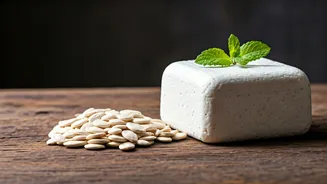
create a fantastic vegan paneer, right in your own kitchen. Paneer is a cornerstone of Indian cuisine, but for those embracing a vegan lifestyle or reducing dairy intake, finding a suitable substitute can be a challenge. Fortunately, the often-discarded watermelon seeds offer a surprisingly effective solution. When prepared correctly, these seeds yield a soft, easily sliceable vegan paneer that integrates seamlessly into a variety of everyday Indian meals, proving that innovation in the kitchen can also be incredibly sustainable by utilizing ingredients that are typically overlooked and thrown away.
The Science of Seed Paneer
The magic behind using watermelon seeds for paneer lies in their inherent nutritional profile. These seeds are packed with healthy fats and proteins, which are crucial for building a creamy, satisfying base. When subjected to soaking and then blending, they transform into a smooth, rich paste. This paste, with the help of a binding agent, can be coaxed into solidifying into a firm block, remarkably mimicking the texture of traditional dairy paneer. The reason they are so effective is multi-faceted: firstly, their texture when blended is naturally thick and creamy, providing a substantial foundation. Secondly, their flavour is quite neutral, allowing them to readily absorb the spices and aromatics of whatever dish they are incorporated into. Lastly, with the right binder, they set beautifully, holding their shape during cooking. The final product is a versatile plant-based paneer that not only looks the part but also performs admirably in various culinary applications.
Crafting Your Vegan Paneer
Embarking on the creation of vegan paneer from watermelon seeds is a straightforward yet rewarding process. The essential components you'll need are approximately one cup of dried watermelon seeds (preferably peeled for a smoother result), between two and two and a half cups of water for blending, two tablespoons of either lemon juice or vinegar to aid in setting and provide a subtle tang, one to one and a half teaspoons of agar-agar powder as your primary setting agent, and salt to your personal taste. The method begins with soaking the watermelon seeds in water for a substantial period, ideally six to eight hours or even overnight, to ensure they soften adequately for blending. Once soaked, drain the seeds and blend them with fresh water until a completely smooth paste is achieved. For an exceptionally refined texture, strain this mixture through a fine muslin cloth. Transfer the resultant liquid to a saucepan and heat it over medium flame, stirring constantly to prevent any lumps from forming. As the mixture begins to thicken slightly, incorporate the salt, lemon juice or vinegar, and the agar-agar powder (which should be dissolved in a small amount of water beforehand). Continue stirring until the mixture reaches a slightly thicker consistency. Finally, pour this concoction into a lightly greased mould, allow it to cool, and then refrigerate for approximately one to two hours until it's firm enough to cut into cubes, ready for your culinary adventures.
Achieving Perfect Texture
To ensure your homemade vegan paneer boasts the ideal soft yet firm texture, a few key techniques are vital. The initial blending stage is critical; ensure the watermelon seeds are processed into an exceptionally smooth paste to avoid any grittiness in the final product. Following this, meticulous straining through a fine cloth will elevate the smoothness of the paneer. During the cooking phase, persistent stirring is non-negotiable. This constant agitation prevents the formation of undesirable lumps and ensures an even consistency. Crucially, do not omit the setting agent, which in this case is agar-agar. The natural properties of watermelon seeds alone are insufficient to firm up the mixture into a sliceable block; the agar-agar is indispensable for achieving the desired structure. Adhering to these tips will significantly contribute to a paneer that is delightful to eat and easy to handle in your recipes.
Navigating Common Pitfalls
While crafting watermelon seed paneer is generally forgiving, avoiding a few common missteps can guarantee a superior outcome. One frequent error is skipping the initial soaking period for the seeds; this invariably leads to a coarser, less uniform texture in the finished paneer. Another potential issue arises from adding too much water during the blending process, which can result in a paneer that is excessively soft and struggles to hold its shape when cut or cooked. Insufficient cooking time is also a concern; the mixture needs to be heated adequately for the agar-agar to activate and for the paneer to set properly. Conversely, using too little agar-agar powder will yield a fragile block that might crumble apart. By being mindful of these potential pitfalls, you can significantly improve your chances of creating a perfectly structured and delicious vegan paneer.
Culinary Applications Galore
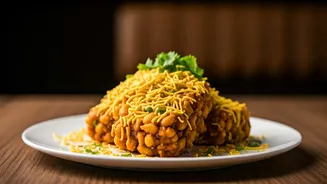
Once you have successfully created your batch of vegan watermelon seed paneer, a world of culinary possibilities opens up. This versatile ingredient can be integrated into a wide array of dishes, mirroring the traditional uses of dairy paneer. Consider incorporating it into flavourful bhurji-style scrambled dishes, where it can absorb spices beautifully. It also works wonderfully in light, flavourful gravies and curries, adding a tender, protein-rich element. For a quick and healthy meal, stir-fries with a medley of fresh vegetables are an excellent choice, with the paneer adding substance and texture. Furthermore, it can be grilled or pan-seared to achieve a delightful crisp exterior, perfect for salads or as a standalone appetizer. The key to its adaptability lies in its excellent ability to absorb marinades and seasonings, allowing you to impart your desired flavours just as you would with conventional paneer.
Beyond Veganism: Waste Reduction
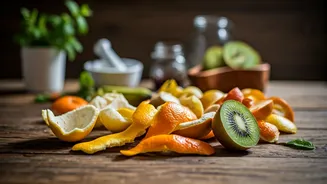
The creation of vegan paneer from watermelon seeds extends its benefits far beyond simply catering to plant-based diets. This innovative culinary practice offers a powerful solution to the pervasive problem of food waste. By repurposing watermelon seeds, which are frequently discarded after consuming the fruit, you are actively contributing to a more sustainable food system. This method champions the 'nose-to-tail' philosophy applied to produce, making use of every possible part of an ingredient. It demonstrates that with a little creativity and the right techniques, common kitchen scraps can be transformed into delicious and valuable food items. Therefore, this recipe is not just about making a dairy-free alternative; it's about fostering a mindful approach to cooking and resourcefulness, enriching your kitchen with a surprisingly versatile ingredient while simultaneously reducing your environmental footprint.