







Operation Uncovers Scheme
In a significant crackdown on food safety violations, Jaipur authorities have orchestrated the destruction of an astonishing 1.5 lakh kilograms of Amul-branded
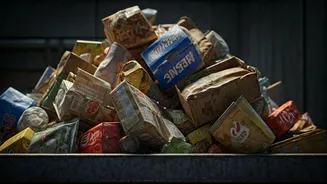
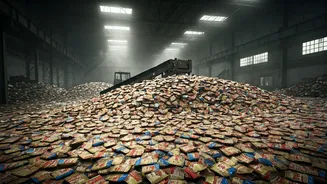
products that were past their prime. The extensive operation, which spanned four days and required the deployment of 27 trucks, was initiated after a tip-off to the state government's grievance helpline. Officials from the Chief Medical and Health Officer's office in Jaipur-II raided a warehouse located in the Kho Nagoriyan area. What they found was deeply concerning: thousands of cartons containing non-dairy items like noodles, ketchup, mayonnaise, and energy drinks, all bearing the Amul brand. While some 12,000 cartons were identified as expired, an even more alarming discovery was made in approximately 3,000 other cartons where expiry dates had been chemically scrubbed clean. This pointed towards a deliberate attempt to deceive consumers and reintroduce potentially hazardous food items back into the market, highlighting a serious breach of food safety regulations.
Chemical Erasure & Repackaging
The investigation into the Jaipur warehouse revealed a disturbing method for extending the shelf life of expired goods. Investigators discovered potent chemicals, including thinner and acetone, on the premises, which are believed to have been instrumental in the complete removal of original expiry date markings. The operation's scale was underscored by the discovery of nearly 4,500 new, pristine cartons, meticulously prepared for the repackaging of these tampered products. The warehouse was reportedly operated by M/s Athlete Distributor, managed by Gagan Ahuja, whose own food license had long since expired, further compounding the illegality of the operation. Authorities suspect the intent was to print newly fabricated expiry dates onto the products and present them as fresh for sale, a move that would have put countless consumers at risk of consuming unsafe food.
Massive Disposal Effort
The sheer volume of expired and tampered stock necessitated an extraordinary disposal effort, consuming four full days of intensive work. A fleet of 27 trucks was mobilized to ferry the staggering 1.5 lakh kilograms of contaminated goods to a designated landfill. This extensive cleanup was conducted at the direct expense of the implicated parties, emphasizing the severity of the offense. The Principal Secretary (Health) for Rajasthan, Gayatri Rathore, officially confirmed that the seized materials were entirely unfit for consumption and represented a significant threat to public health. This coordinated destruction ensures that these dangerous products will not reach any unsuspecting consumers, a testament to the authorities' commitment to upholding stringent food safety standards and protecting the well-being of the populace.
Unusual Activities & Learning
Suspicious activities reported by observant neighbours played a crucial role in initiating the investigation. These reports detailed workers arriving unusually early and the warehouse gate remaining shut for extended periods, prompting a deeper look into the operations. Upon inspection, authorities seized not only the expired products but also the machinery, chemicals, and packaging materials used in the fraudulent scheme, subsequently sealing the warehouse. In a particularly startling revelation, the accused reportedly confessed that he had acquired the knowledge for altering expiry dates through online tutorials found on YouTube. He admitted to a regular practice of purchasing near-expiry goods at reduced prices with the sole intention of refurbishing and reselling them, demonstrating a calculated and persistent disregard for safety protocols.
Ongoing Investigation
With the immediate threat of the destroyed stock neutralized, the investigation is now focused on tracing the potential reach of any tampered products that might have already infiltrated the market. Samples of the seized materials have been collected and sent for further laboratory analysis to determine the exact nature of the tampering and any potential contaminants. Legal proceedings are anticipated to be initiated against the responsible parties under the Food Safety and Standards Act, a stringent piece of legislation designed to ensure the safety and integrity of the food supply chain. Authorities are working diligently to ascertain if any of these potentially compromised items have made their way to consumers, underscoring the critical importance of vigilance and robust enforcement in safeguarding public health from such deceptive practices.