






Snowfall Surprises Pilgrimage Site
The revered Kedarnath Dham, a cornerstone of the significant Chardham Yatra for Hindus, finds itself unexpectedly inundated by winter's embrace just days
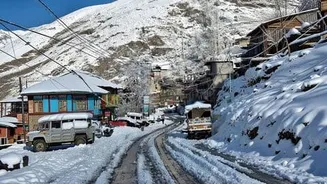
before the pilgrimage's scheduled commencement for 2026. An astonishing accumulation of approximately 5 feet of snow has transformed the sacred landscape into a breathtaking, albeit challenging, vista. Viral videos capturing this phenomenon are circulating widely online, showcasing the serene beauty juxtaposed with the practical difficulties it presents. This substantial snowfall has naturally raised concerns regarding the accessibility and safety of the routes for devotees eager to embark on their spiritual journey. Authorities are undoubtedly engaged in a thorough assessment to ensure the pilgrimage can proceed smoothly and securely, navigating the unforeseen winter conditions that have descended upon this hallowed Himalayan destination.
Preparations Under Snowfall
Kedarnath Dham, revered as a Jyotirlinga temple nestled amidst the majestic Himalayas, is a focal point for millions of devotees annually during the Char Dham Yatra. As the temple's gates are slated to reopen on April 22, 2026, the current erratic weather patterns of early April have deposited a dense layer of snow across the entire valley. This has created a race against time for workers and caretakers who are diligently striving to clear pathways, only to see them resurface under fresh snowfall. Viral videos vividly portray the continuous heavy snowfall affecting not only Kedarnath but also Badrinath Dham and the wider Kedar Valley, with depths ranging from 3 to 5 feet. This visually striking, yet operationally complex, situation is significantly hampering ongoing preparations. Reports indicate that essential tasks such as construction, cleaning operations, route maintenance, and the setup of essential utilities like electricity, water, and temporary shelters are experiencing delays due to the relentless harsh weather. Despite these obstacles, officials from the Badrinath-Kedarnath Temple Committee have expressed confidence in completing all necessary work before the pilgrimage begins, assuring that the yatra will remain on schedule, attributing the rare April snow to a western disturbance.
Weather Alerts Issued
Adding to the logistical complexities, the India Meteorological Department has issued a yellow alert for Uttarakhand. This advisory forecasts the possibility of isolated thunderstorms, lightning strikes, and gusty winds reaching speeds of 40-50 kmph, particularly through April 9 and beyond. While higher elevations like Kedarnath are experiencing continued snowfall, lower hill regions are reporting rainfall, causing temperatures to drop significantly below the norm, with a maximum temperature of 6.2°C recorded in Mukteshwar. This unusual weather phenomenon in April, noted as the heaviest rainfall observed since 2020, intensifies concerns surrounding the operational aspects of the upcoming yatra. The unpredictable weather necessitates constant monitoring and preparedness to mitigate any potential risks to pilgrims and ensure the smooth functioning of pilgrimage services.
Infrastructure Enhancements Planned
In anticipation of the continuously growing number of pilgrims undertaking the journey, Uttarakhand is actively pursuing infrastructure upgrades to enhance the pilgrimage experience. A significant development includes a proposed 12.9-kilometer ropeway connecting Sonprayag to Kedarnath. This ambitious project is expected to drastically reduce travel time, from the current 8-9 hours to a mere 36 minutes, and is designed to accommodate an impressive 18,000 pilgrims daily. Furthermore, a 12.4-kilometer ropeway project to Hemkund Sahib, originating from Govindghat, has received approval. This initiative, valued at ₹2,730 crore, will be undertaken utilizing the Build-Own-Lease-Transfer (DBFOT) model, underscoring the commitment to improving connectivity and accessibility to these sacred sites.