






The Lithium Challenge
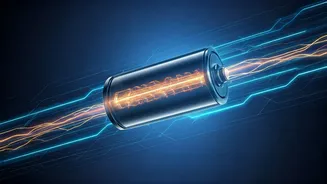
The world's increasing reliance on batteries for everything from smartphones to electric vehicles has led to a surge in demand for lithium-ion technology.
However, this dependence brings significant challenges. Lithium, a critical component, is geographically concentrated in a few regions, creating supply chain vulnerabilities. Furthermore, lithium-ion batteries are associated with high costs, potential safety concerns, and reliance on rare earth minerals. India, in particular, faces a strategic quandary due to its limited domestic lithium reserves, making it susceptible to global market fluctuations and geopolitical pressures. This situation underscores the need for alternative battery chemistries that can offer greater accessibility and cost-effectiveness, thereby ensuring India's energy security and technological autonomy in the long run.
Sodium's Abundant Promise
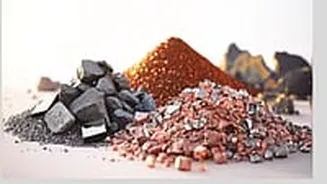
Sodium-ion batteries emerge as a compelling alternative, primarily due to the inherent abundance of sodium. Unlike lithium, which is found in limited reserves, sodium is the sixth most abundant element on Earth, readily available in sources like sea salt and soda ash. This widespread availability significantly reduces geopolitical risks and offers the potential for a more democratized battery market. Projections suggest that sodium-ion batteries could lead to a cost reduction of over 30% at scale, partly because they can utilize aluminum anodes instead of copper. Aluminum is substantially cheaper and lighter than copper, further contributing to the economic viability of this technology. The recent launch of a mass-produced passenger EV with sodium-ion batteries in China, priced approximately 20% lower than its lithium-ion counterparts, exemplifies this cost advantage.
Enhanced Safety Features
Beyond economic benefits, sodium-ion batteries offer distinct safety advantages that address some of the critical limitations of lithium-ion technology. A key differentiator is their ability to be fully discharged to zero volts during transportation. This capability significantly mitigates fire risks and simplifies logistics, as lithium-ion batteries must maintain a minimum charge of around 30% to prevent degradation, which inadvertently increases safety concerns during transit. Moreover, sodium-ion batteries exhibit superior performance in colder climates. While lithium-ion batteries often experience a notable capacity drop in low temperatures, sodium-ion batteries retain their functionality, making them particularly well-suited for regions with extreme weather conditions, such as India's high-altitude and snow-bound areas. This resilience in diverse environments enhances their practical applicability.
India's Strategic Push
Recognizing the strategic importance of next-generation battery technology, India is actively pursuing initiatives to foster domestic production and adoption of sodium-ion batteries. The government's Production Linked Incentive (PLI) scheme for Advanced Chemistry Cell (ACC), with an outlay of ₹18,100 Crore, is a cornerstone of this strategy, aiming to promote local manufacturing of various battery chemistries, including sodium-ion. To secure essential raw material supply chains, India established KABIL (Khanij Bidesh India Limited) in 2019, a joint venture focused on obtaining minerals like lithium and cobalt through government-to-government collaborations. This entity is slated to be integrated into the National Critical Mineral Mission (NCMM) by 2025. Furthermore, strategic acquisitions, such as that of Faradion, aim to enable the manufacture of critical battery components from agricultural waste, thereby promoting a circular economy and reducing import dependency. The government is also exploring viability gap funding for grid storage solutions, further solidifying India's commitment to battery self-sufficiency.
Navigating Hurdles Ahead
Despite the significant advantages, the widespread adoption of sodium-ion batteries is not without its challenges. Due to sodium's larger atomic size and weight compared to lithium, sodium-ion batteries tend to be bulkier and heavier. This characteristic makes them less ideal for high-performance applications or long-range electric vehicles where weight optimization is paramount. Additionally, the anode material used in sodium-ion batteries, 'hard-carbon,' is still in the early stages of commercial scaling, which can contribute to higher initial costs. The existing global battery manufacturing infrastructure is largely designed for lithium-ion systems. While sodium-ion battery production lines can be adapted with minor modifications, these adjustments still require substantial capital investment. Establishing robust safety and regulatory standards, similar to international benchmarks, will be crucial to build consumer confidence and streamline vehicle certification processes for sodium-ion powered EVs.
A Vision for Self-Reliance
The strategic integration of sodium-ion battery technology represents a transformative opportunity for India, moving beyond mere technological advancement to achieve true energy security and self-reliance. By prioritizing research into hard-carbon development from agricultural waste, India can reduce import dependency and significantly cut costs, potentially addressing the stubble-burning crisis in agrarian regions like Punjab and Haryana. Incentivizing the two-wheeler and three-wheeler EV segments, where cost sensitivity is high and range is less critical, provides an ideal entry point for sodium-ion batteries into the Indian market. Implementing supportive policies, such as customs duty exemptions and manufacturing incentives under schemes like the PLI, will be vital in nurturing the domestic battery ecosystem. Ultimately, embracing sodium-ion technology is not just about a different battery chemistry; it's about forging a path towards technological leadership and achieving India's ambitious Net Zero 2070 goals.