





Defining Human Resilience
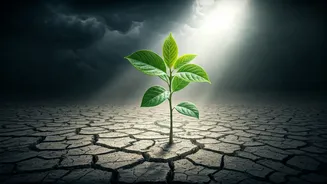
Human resilience can be defined as the ability to effectively deal with adversity and recover from difficult experiences. This means bouncing back from setbacks,
adapting to change, and maintaining a positive outlook even when faced with significant challenges. It's not about avoiding hardship; it's about developing the inner strength needed to overcome it. Resilience isn't a fixed trait; it's a skill that can be developed over time through a combination of personal effort, support systems, and coping mechanisms. It’s a dynamic process of adapting positively in the face of adversity, encompassing the capability to cope with stress, overcome trauma, and function effectively despite life's difficulties. This essential human quality is not merely a personality trait; it is a complex interaction of psychological, social, and biological processes enabling one to navigate challenging life experiences.
The Science of Well-being
The field of positive psychology delves into the science of well-being, exploring the elements that contribute to a fulfilling life. Research reveals several key components of well-being: positive emotions, engagement, relationships, meaning, and accomplishment (PERMA). Positive emotions such as joy and gratitude serve as a buffer against stress and contribute to overall life satisfaction. Engagement refers to fully immersing oneself in activities, experiencing a sense of flow. Building and maintaining strong, supportive relationships provide a crucial sense of connection and belonging. Discovering meaning and purpose in life is essential for mental health, helping individuals feel a sense of direction. Finally, achieving goals and experiencing a sense of accomplishment contributes to self-esteem and overall well-being. Focusing on these areas allows individuals to build a robust foundation for lasting happiness.
Building Mental Strength
Developing mental strength involves several strategies that can enhance resilience. Practicing mindfulness, which includes focusing on the present moment, reduces stress and increases self-awareness. Cultivating self-compassion, treating oneself with kindness and understanding during challenging times, buffers against negative self-talk. Setting realistic goals and celebrating achievements fosters a sense of accomplishment and boosts motivation. Building a strong social support network offers emotional support and reduces feelings of isolation. Developing problem-solving skills allows one to effectively address challenges, leading to a sense of control and empowerment. Regularly practicing gratitude and focusing on positive aspects of life enhances optimism and overall mood. Embracing a growth mindset, believing in one's capacity to learn and grow, is crucial for overcoming obstacles and adapting to change. By incorporating these strategies, one can build a stronger, more resilient mindset.
Stress Management Techniques
Effectively managing stress is vital for mental health. Relaxation techniques like deep breathing and meditation calm the nervous system and reduce anxiety. Engaging in regular physical exercise releases endorphins, which can improve mood and reduce stress hormones. Setting healthy boundaries in personal and professional life helps prevent burnout and protect time for self-care. Prioritizing tasks and breaking them down into smaller, more manageable steps reduces feelings of being overwhelmed. Seeking professional support, such as therapy or counseling, provides guidance and coping strategies during difficult times. Getting enough sleep, eating a balanced diet, and avoiding excessive consumption of substances promotes overall physical and mental health. Connecting with nature has also proven to reduce stress levels, offering a sense of calm and perspective. Integrating these techniques into daily life provides essential tools to navigate stressful situations and maintain emotional balance.
Fostering Healthy Relationships
Positive relationships are essential for mental well-being. Building strong communication skills, including active listening and expressing needs clearly, strengthens bonds with others. Practicing empathy, understanding and sharing the feelings of others, promotes compassion and connection. Setting healthy boundaries in relationships prevents feeling overwhelmed or taken advantage of. Seeking support from friends, family, and support groups provides a sense of belonging and reduces feelings of isolation. Cultivating gratitude for the positive aspects of relationships deepens appreciation and strengthens bonds. Resolving conflicts constructively by focusing on solutions rather than blame fosters trust and respect. Investing time and effort in relationships through shared activities, conversations, and expressions of affection strengthens social connections. Prioritizing quality over quantity in friendships and relationships helps ensure that those connections provide meaningful support.
Finding Meaning & Purpose
Discovering purpose in life is a cornerstone of mental health. Reflecting on core values and identifying what is truly important provides direction. Setting goals that align with personal values offers a sense of meaning and accomplishment. Engaging in activities that feel meaningful, such as creative pursuits, volunteering, or contributing to a community, fosters a sense of purpose. Cultivating a sense of spirituality or connection to something greater than oneself can provide comfort and guidance during difficult times. Developing a growth mindset, believing in one's capacity for learning and development, encourages striving toward personal goals and finding purpose in the process. Seeking opportunities to help others through acts of kindness and generosity can generate a profound sense of fulfillment. Recognizing and celebrating the small victories along the way reinforces the sense of purpose and inspires continued growth.