
Island of Java, Indonesia
Java, in Indonesia, stands as a testament to human adaptation. The island is home to several active volcanoes, including Mount Merapi. Despite the persistent
threat of eruptions, communities have cultivated a deep-seated respect for the environment and its volatile elements. The fertile volcanic soil provides rich agricultural land, supporting a large population. Local traditions and practices reflect a profound understanding of the volcano's cycles. The proximity to Merapi necessitates constant vigilance. Evacuation plans and disaster preparedness are integral parts of daily life. The culture has developed a deep reverence for the volcano, and residents learn to live in harmony with its nature.
Mount Vesuvius, Italy
Mount Vesuvius, the infamous volcano that destroyed Pompeii, continues to influence life near Naples, Italy. The area surrounding Vesuvius remains densely populated, showcasing a blend of ancient history and modern living. Residents navigate the inherent risks with an attitude shaped by centuries of experience. The fertile volcanic soil contributes to abundant agricultural output, particularly grapes for winemaking. The area’s historical significance, coupled with its natural beauty, attracts tourists from all over the world, bringing economic benefits. However, the presence of Vesuvius means constant monitoring and a robust civil defense system to safeguard against potential eruptions. The resilience of the population underscores their strong connection to the land and a deep understanding of living with natural forces.
Pacaya Volcano, Guatemala
Pacaya Volcano in Guatemala offers a vivid example of how tourism and community life intertwine near an active volcano. Close to Guatemala City, Pacaya is a popular destination for visitors, giving the local economy a vital boost. The accessibility of the volcano allows tourists to safely witness volcanic activity, which creates unique experiences such as roasting marshmallows over vents. This flow of visitors supports local businesses and employment. Local communities have integrated tourism into their lifestyle, providing guiding services and crafting handmade goods. The presence of Pacaya requires safety measures and continuous monitoring. The interplay between tourism and volcanic activity shows a practical and mutually beneficial relationship, where the volcano’s dramatic landscape becomes a source of economic and cultural enrichment.
Kilauea, Hawaii, USA
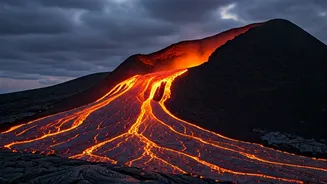
Kilauea, one of the world's most active volcanoes in Hawaii, presents a unique case study in understanding and living near geological phenomena. The Hawaiian Volcanoes National Park is an active research area and a destination for those seeking to witness volcanic activity up close. The constant flow of lava provides opportunities for scientific investigation, as well as a captivating spectacle for tourists. Local communities, like the ones in the Puna district, have adapted to the regular eruptions, cultivating a sense of resilience. The relationship between the residents and the volcano is complex, encompassing both fear and respect. The natural processes have shaped the landscape and culture for centuries. With that, infrastructure is designed to withstand volcanic activity. The story of Kilauea is a study in how humanity manages to co-exist with raw natural forces.
Popocatépetl, Mexico
Popocatépetl, a very active volcano in Mexico, has a significant influence on the lives of people living nearby. Surrounding communities have long dealt with the potential for eruptions, using knowledge passed down through generations. These experiences have shaped their customs and preparedness efforts. The Mexican government maintains rigorous monitoring systems to track seismic activity and forecast potential eruptions. Evacuation plans are in place to ensure public safety. Local cultures reflect a mix of resilience and adaptation, demonstrating a deep respect for the volcano’s power. The landscape surrounding Popocatépetl is characterized by rich volcanic soil, which is crucial for agriculture. The balance between managing the hazards and embracing the unique benefits highlights the human ability to coexist with and learn from nature’s volatile powers.