





Why Showerheads Clog
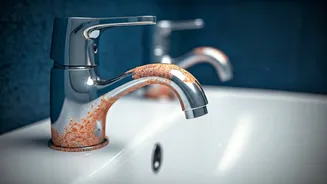
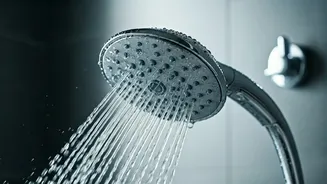
Over time, showerheads accumulate mineral deposits from water, such as calcium and lime, which can significantly reduce water flow and pressure. This buildup,
exacerbated in areas with hard water, narrows the tiny nozzles essential for a strong spray. Beyond minerals, the warm, humid environment within a showerhead can also foster the growth of bacteria and mold. Regular cleaning with an acidic solution like vinegar effectively dissolves these stubborn mineral deposits, removes unsightly water spots and soap scum, and sanitizes the interior, leading to a consistently better shower performance and a more hygienic experience.
Vinegar Cleaning Method
Reviving your showerhead is surprisingly straightforward and requires minimal effort, though it does necessitate a patient approach as the cleaning agent needs time to work its magic. The recommended method involves a simple overnight soak in vinegar, ensuring that the shower won't be needed during this period. This duration allows the acidic properties of the vinegar to thoroughly break down any mineral blockages and grime that have accumulated within the showerhead's intricate components, promising a significant improvement in water output and pressure once the process is complete.
Soaking Solution Prep
To begin the cleaning process, gather a sturdy, food-grade plastic bag capable of fitting snugly over your showerhead. Into this bag, pour at least one cup of either distilled white vinegar or apple cider vinegar. It's crucial that the bag is sufficiently large to completely submerge the showerhead, and that there's enough vinegar to ensure all parts of the fixture, especially the nozzles, are fully immersed. This thorough submersion is key to allowing the vinegar to effectively dissolve the mineral deposits and other obstructions.
Securing the Soak
Once the bag is filled with the vinegar solution, carefully position it over the showerhead, making sure the entire fixture is enclosed. To keep the bag securely in place and prevent any leakage, use a strong rubber band or waterproof tape to fasten the bag tightly around the showerhead's pipe. Given the weight of the vinegar-filled bag, a firm seal is essential to avoid it slipping off during the soaking period. Allow the showerhead to remain submerged in the vinegar for a minimum of four hours, though an overnight soak is highly recommended for severely clogged heads to achieve the best results.
Scrubbing and Flushing
After the extended soaking period, carefully remove the vinegar-filled bag from the showerhead. Employ a small nylon-bristled brush or an old toothbrush to gently scrub the exterior of the showerhead, paying close attention to the nozzles. For any stubborn deposits still lodged in the tiny holes, a toothpick or a straightened paperclip can be used to meticulously clear each one. Following the scrubbing, rinse the showerhead with fresh water. Finally, turn on the shower at full pressure for several minutes to effectively flush out any loosened debris from the interior of the fixture.
Drying and Polishing
To achieve a pristine finish and prevent the appearance of water spots on your now-clean showerhead, use a soft microfiber cloth to thoroughly dry its surface. Gently buff the metal or plastic to a shine. This final step not only enhances the visual appeal but also helps maintain the cleanliness and prevents immediate re-soiling. A clean, dry showerhead is less likely to attract new mineral deposits, contributing to its sustained performance and longevity. This simple drying and buffing process ensures your showerhead looks as good as it performs.
Preventative Maintenance Tips
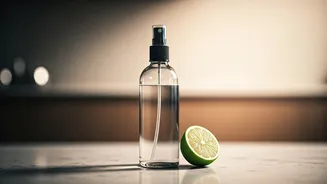
To keep your showerhead flowing freely and prevent frequent clogs, adopt a few simple preventative habits. Consider spraying the showerhead with a mixture of equal parts water and white vinegar after each use, focusing on the nozzles. Additionally, drying the showerhead after every shower can significantly reduce water spot formation. Aim for a deep vinegar soak at least four times annually. Running the bathroom fan during and after showers helps minimize moisture, curbing mold and bacteria. If clogs persist, it might be time for a new showerhead, as plastic models tend to accumulate buildup faster than metal ones. For those in hard water areas, a home water-softening system is a worthwhile investment.