





Celebrating Cultural Heritage
Makar Sankranti, observed with immense enthusiasm throughout India, carries deep cultural roots. This festival marks the sun's transition into the zodiac
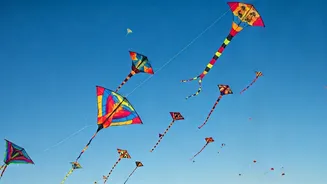
sign of Capricorn, also known as Makara. This celestial event signifies the end of winter and the start of longer days, symbolizing hope and new beginnings. Makar Sankranti is celebrated in numerous ways across different regions, reflecting the country's rich tapestry of traditions. Across states, families prepare traditional foods, fly kites, and engage in various rituals. These practices underscore the importance of community and the preservation of age-old customs passed down through generations. These celebrations highlight the strong family bonds and cultural identity of Indians.
Food and Festive Delights
Food plays a central role in Makar Sankranti festivities, with each region preparing its own unique culinary specialties. In Gujarat, Undhiyu and Chikki are common treats, while in Maharashtra, til gul (sesame seed and jaggery sweets) and puran poli are enjoyed. These dishes are not merely for consumption; they are symbols of the festival's spirit. The preparation of these traditional foods often involves family participation, strengthening bonds and providing a shared experience. The ingredients and recipes themselves carry symbolic meaning, representing abundance, prosperity, and the sweetness of life. The act of sharing these meals with loved ones brings people together and adds to the warmth of the celebrations.
Family Gatherings and Festivities
Makar Sankranti is a time for families to unite and create lasting memories. People spend the day together, whether it’s flying kites, exchanging greetings, or simply enjoying each other's company. Children especially look forward to this festival, enjoying the colourful kites and the festive atmosphere. Stories about the festival are also passed around. These family gatherings reinforce connections and support the values of togetherness and mutual respect. The joy of Makar Sankranti is found in these shared moments, which are preserved in the hearts of the participants. The emphasis on family time demonstrates the importance of close relationships and strengthens the cultural foundations of society.
The Sun's Journey Forward
Makar Sankranti is also tied to astrology and the movement of the sun. The sun’s entry into Capricorn is a significant event, marking the beginning of the sun's northward journey, known as Uttarayan. This period is considered auspicious in Hindu traditions, symbolizing progress and new beginnings. This astronomical event is thought to represent hope and the possibility for new developments. The festivals that are scheduled at this time include rituals that are intended to promote prosperity and well-being. This astronomical alignment encourages new beginnings and a renewed emphasis on positive and constructive endeavors. These beliefs highlight the close ties between celestial phenomena and cultural celebrations.
Regional Traditions Varied
The traditions observed during Makar Sankranti vary significantly across India, reflecting the diversity of the nation. For instance, in some areas, kite-flying is a popular activity, especially in Gujarat, where competitions and celebrations are held. In other places, the focus is on religious rituals and community feasts. These diverse practices reveal the adaptability and depth of cultural traditions. The way this holiday is celebrated in different areas demonstrates the diverse backgrounds and historical influences of the region. Despite their local variations, the core values of Makar Sankranti—community, kinship, and thankfulness—persist.