




Ursids: A Winter Delight
The Ursid meteor shower is a yearly celestial event that graces the night skies during the month of December. The shower radiates from the constellation
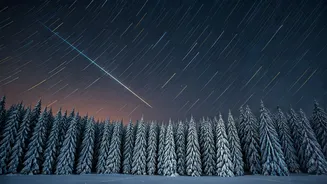
Ursa Minor, also known as the Little Bear, hence its name. The radiant, or the point in the sky where the meteors appear to originate, is near the star Kochab. Unlike some meteor showers that can produce a high number of meteors per hour, the Ursids typically offer a more modest display. However, they are still a sight to behold, especially given their visibility during the holiday season. The Ursids are associated with the comet 8P/Tuttle, which is the source of the debris that creates these shooting stars. As Earth passes through the comet's debris trail, these particles burn up in our atmosphere, resulting in the meteor shower. The best time to observe the Ursids is usually after midnight, when the constellation Ursa Minor is high in the sky. Dark, clear skies away from city lights are ideal for maximizing the viewing experience. Even though the Ursids are less prolific than other meteor showers, such as the Geminids, they remain a beautiful spectacle to enjoy during the winter nights.
Peak Viewing Times
For those eager to witness the Ursid meteor shower in 2025, the peak viewing period was expected to be a highlight of December. The specific dates and times were crucial for planning your stargazing session. Astronomers usually provide detailed predictions, taking into account factors like the Moon's phase and its potential interference with the meteor shower. The best time to watch was usually in the pre-dawn hours, when the radiant point of the shower was positioned high in the sky. Observing the Ursids required patience and a comfortable setup. It's often helpful to find a viewing spot away from light pollution. Clear weather conditions were paramount, as any cloud cover could obstruct the view. Those who wanted to observe needed to dress warmly and bring blankets or chairs for a comfortable experience. Checking local weather forecasts before heading out was crucial for ensuring optimal viewing conditions. The peak itself might have only lasted for a few hours, emphasizing the importance of accurate timing. Despite the often chilly conditions of December, the allure of seeing shooting stars made it a memorable experience.
What to Expect
The Ursid meteor shower offers sky watchers a chance to see meteors streaking across the night sky. While not as prolific as some other meteor showers, the Ursids still presented an opportunity to witness a beautiful celestial event. Sky watchers could expect to see an average of 5 to 10 meteors per hour during the peak. Under ideal conditions, with a dark sky and a clear horizon, the number might increase slightly. The meteors are often bright and fast, leaving brief trails as they burn up in the Earth's atmosphere. Observing the Ursids requires patience and a good view of the northern sky, where the radiant of the shower is located. Given the time of year, cold temperatures and long nights contribute to the overall experience. The spectacle itself is often random, making it exciting to watch and wait for meteors to appear. The anticipation builds with each passing moment, making the experience more rewarding when a meteor is spotted. Some of the meteors might also appear as fireballs or leave persistent trains, adding to the spectacle. The Ursids provide a chance to connect with the universe and enjoy the beauty of the cosmos.
Viewing Tips
To fully appreciate the Ursid meteor shower, some viewing strategies could enhance the experience. First, find a location far from light pollution. City lights obscure the visibility of meteors. A dark sky allows the fainter meteors to be seen. Second, give your eyes time to adjust to the darkness. It typically takes about 20–30 minutes for your eyes to fully adapt. This helps to maximize the number of meteors seen. Third, look towards the constellation Ursa Minor. This is where the meteors appear to originate. The meteors can appear anywhere in the sky. Fourth, dress warmly. December nights can be very cold, so layers of clothing, including a hat and gloves, are essential for comfort during the viewing session. Fifth, bring a blanket or a comfortable chair. This improves the viewing experience. Bring snacks and a warm beverage to make your stargazing more enjoyable. Sixth, be patient. Meteor showers are not always continuous events, and patience is needed to see meteors. Seventh, use a star chart or a stargazing app to help locate the constellations and radiant. These tools could also enhance understanding of the night sky. The Ursids presented a chance to enjoy the universe.
Other December Delights
December 2025 held several other astronomical events. These included chances to observe the Northern Lights. The aurora borealis might have been visible from certain locations, creating stunning light displays. The night sky on December 25th presented other interesting sights. Celestial objects that could be observed included the Moon and the Pleiades. Orionid meteor shower was another event that had occurred earlier in the year. The Geminid meteor shower peaked in December, offering another spectacular meteor show. The sky was an active place with various events for stargazers to enjoy. These events provided diverse opportunities. These include the chance to appreciate the beauty of the cosmos and the various phenomena that happen in the night sky. The Ursid meteor shower was only one part of the December sky's overall allure.