








Proactive Health Screening
Many individuals only seek medical attention once they experience discomfort or noticeable symptoms, by which time a health concern may have been developing
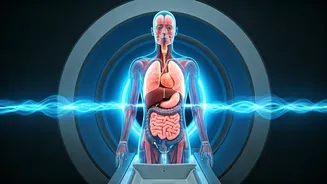
silently for years. Longevity expert Dr. Vassily Eliopoulos advocates for a proactive approach, suggesting that a full-body Magnetic Resonance Imaging (MRI) scan should be considered a vital part of regular health assessments, particularly for those who have crossed the age of 40. This advanced diagnostic imaging technique, which utilizes magnetic fields and radio waves to create detailed internal visuals without employing radiation, can identify a broad spectrum of potential health anomalies in their nascent stages. This early detection is paramount because many conditions are significantly more treatable when caught early, before they manifest externally or progress to more severe phases. The value of this non-invasive procedure lies in its ability to provide a comprehensive overview of your internal landscape, offering a crucial advantage in managing and safeguarding your well-being.
What Does MRI Reveal?
A full-body MRI, a head-to-toe examination, generates exceptionally detailed imagery of your internal systems, encompassing organs, soft tissues, blood vessels, and skeletal structures. This comprehensive scan typically lasts between 60 to 90 minutes and notably does not involve surgery, radiation, or contrast dye in most instances, meaning there's no downtime or recovery period required. Its significance stems from its capacity to uncover conditions that often remain entirely undetected during conventional physical examinations. These overlooked issues, when identified in their initial phases, can be highly responsive to treatment. Conversely, if left unnoticed until later stages, they can pose serious health risks. This type of scan can pinpoint early-stage cancers (including in the lungs, kidneys, liver, and prostate), cardiovascular irregularities such as arterial plaque buildup or aneurysms, structural heart problems, and even subtle brain changes like white matter lesions or indicators of early neurodegeneration, including silent strokes. Furthermore, it aids in assessing organ health, detecting liver fibrosis, adrenal abnormalities, and early signs of kidney disease, alongside identifying spinal and structural issues that may contribute to chronic pain or diminished physical performance.
The Power of Early Detection
The principle that the most manageable version of nearly any illness is one identified before the onset of symptoms is strongly underscored by the utility of full-body MRIs. For instance, consider kidney cancer: when diagnosed at Stage 1, the survival rate for patients typically exceeds 90 percent. However, this figure dramatically plummets to below 15 percent if the cancer is detected at Stage 4. Dr. Vass emphasizes that undergoing a full-body MRI is not about fostering anxiety but rather about acquiring essential health data. It provides healthcare professionals with a holistic view of an individual's health, moving beyond fragmented snapshots to a comprehensive picture. For individuals over the age of 40, obtaining this imaging is crucial to maximize the window for effective early intervention. The physician notes that incidental findings are far more common than anticipated in healthy, active individuals over 40, further reinforcing the value of such scans.
Scan to Strategy
The ultimate benefit of a full-body MRI lies not just in the scan itself, but in how its findings are utilized. Dr. Vass cautions that a discovery without proper clinical context can lead to unnecessary anxiety. The true value emerges when a physician interprets the scan results alongside your complete health profile, including your inflammatory markers, metabolic status, hormonal balance, and genetic predispositions. This comprehensive analysis allows for the creation of a tailored health strategy or protocol based on the scan's insights. This integration of data and expert interpretation transforms a diagnostic procedure into a powerful tool for personalized health management, enabling informed decisions and proactive care.