



Shield Your Skin Daily
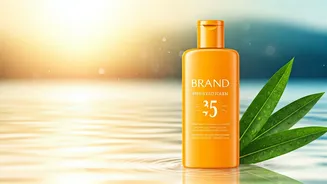
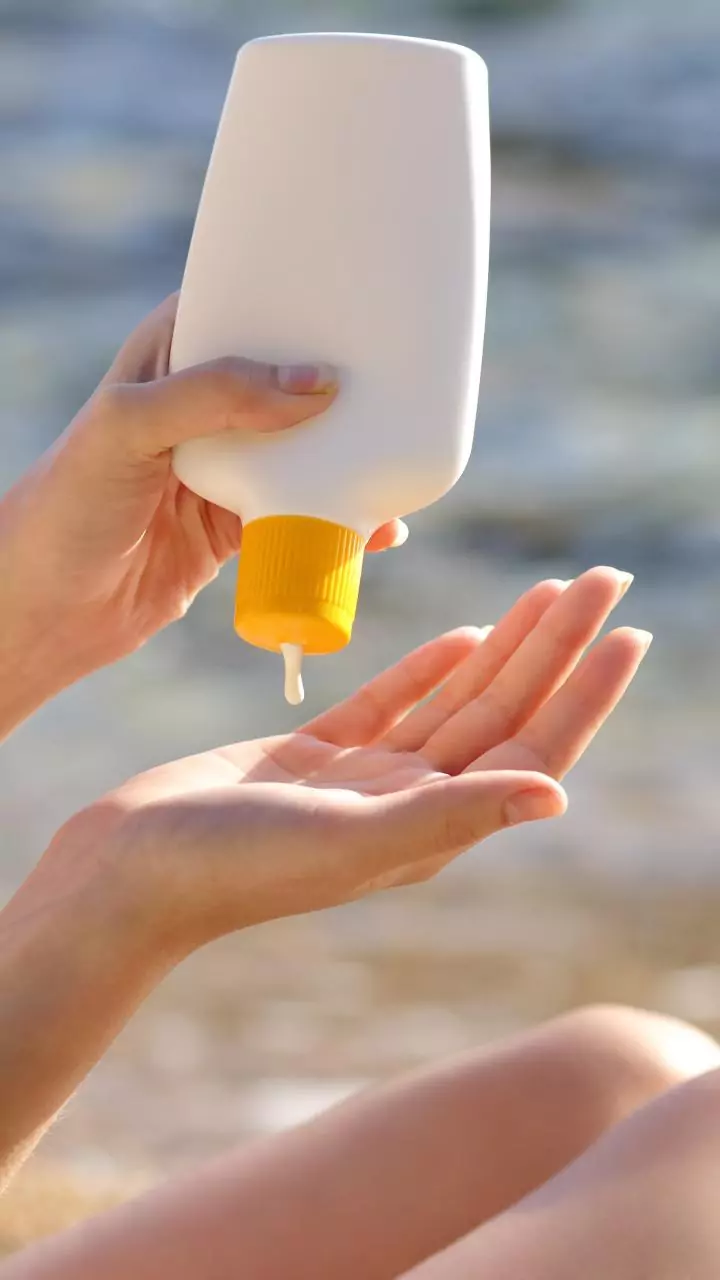
Protecting your skin from the sun's relentless rays is paramount during summer. This involves consistently applying a broad-spectrum sunscreen with an
SPF of 30 to 50 to all exposed areas. It's vital to use a generous amount, roughly equivalent to a shot glass for full body coverage, and to reapply it every two to three hours, especially if you're active or sweating profusely. For water activities, switch to water-resistant formulas to ensure continued protection. Beyond topical application, consider oral photoprotection supplements as an adjunct therapy against sun damage and incorporate UPF 40+ rated clothing for enhanced defense during outdoor pursuits. This comprehensive approach to sun protection is fundamental in preventing tanning and minimizing long-term skin damage.
Conquer Sweat & Friction
Managing sweat and friction is critical for preventing skin irritation and breakouts in the summer heat. Opt for clothing made from breathable natural fabrics like cotton and linen, which allow your skin to breathe and reduce moisture buildup. In areas prone to heavy perspiration, consider using prescription antiperspirants at night to help control sweat production. Increased sweat and friction can lead to skin pigmentation issues and a higher risk of infection, making these management strategies essential for maintaining healthy skin. By choosing the right fabrics and employing targeted sweat control methods, you can significantly mitigate these summer skin challenges.
Gentle Cleansing Ritual
During summer, increased sweat and exposure to environmental pollutants necessitate a diligent yet gentle cleansing routine. While mild cleansers might not always provide a fresh feeling, harsh ones laden with excessive active ingredients can be counterproductive and damage your skin's natural barrier. It's crucial to select a cleanser with a skin-friendly pH of approximately 5.5 to support skin repair and recovery from sun and heat exposure. Avoid using harsh soaps, as they disrupt the stratum corneum's lipid barrier, leading to increased trans-epidermal water loss. Aim to shower once or twice daily using lukewarm water and steer clear of long, hot showers, which can strip the skin of its natural oils and exacerbate dryness.
Lightweight Hydration Boost
Even with high humidity, proper hydration remains a cornerstone of summer skincare. The key is to opt for lightweight, fast-absorbing moisturizers such as gel lotions or emulsions formulated with ingredients like glycerin, hyaluronic acid, and ceramides. These formulations effectively restore the skin's barrier function without causing occlusion, meaning they allow the skin to breathe. While heavier moisturizers like body butters can still be beneficial for individuals with very dry skin or conditions like eczema, lighter options are generally preferred to avoid greasiness and pore-clogging in warmer temperatures. This approach ensures your skin receives essential moisture without feeling weighed down.
Strategic Active Use
Summer's heat and humidity demand a cautious approach when using active skincare ingredients, particularly exfoliants. Over-exfoliating can compromise your skin barrier, making it more susceptible to irritation and damage from environmental factors. Be mindful of products containing AHAs (alpha-hydroxy acids) and BHAs (beta-hydroxy acids), even those marketed for specific benefits. While low concentrations of these ingredients, or even niacinamide, can still be beneficial when incorporated correctly into suitable formulations, excessive or improper use of strong actives can severely harm your skin barrier. Prioritizing skin health over aggressive treatments is essential during this season.