
Safety First
Safety stands as the paramount concern in India's employee transportation arena. Several factors contribute to this emphasis, including the need to comply
with stringent regulations and the imperative to protect employees. Companies face the obligation to establish robust safety protocols. This involves comprehensive driver training programs to ensure they possess the necessary skills and knowledge to navigate challenging road conditions. Further, strict vehicle maintenance routines are essential to prevent breakdowns and accidents. This includes regular inspections and prompt repairs to guarantee all vehicles remain roadworthy. Besides, the implementation of technology, like GPS tracking, plays a crucial role. Real-time monitoring of vehicles helps in tracking and promptly responding to any safety-related incidents. Employee safety is critical for companies, making continuous improvement to safety measures indispensable.
Technology Integration
Technology is reshaping employee transportation. The introduction of GPS tracking systems allows for real-time monitoring of vehicles and driver behavior, promoting better route management and enhancing safety. Mobile applications provide employees with essential information about their commutes, including estimated arrival times and vehicle locations, thus improving convenience and efficiency. Data analytics is becoming increasingly valuable, as it helps companies analyze transportation patterns, identify inefficiencies, and optimize routes. This data-driven approach contributes to better resource allocation and cost reduction. With the ability to streamline operations and enhance the overall employee experience, technology is central to modernizing employee transportation. Companies that embrace these technological advancements can offer more efficient, safer, and user-friendly transportation solutions.
Sustainability Initiatives
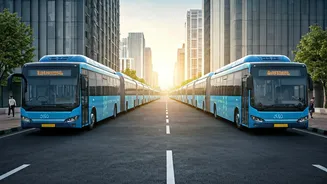
Sustainability is gaining prominence in employee transportation as companies seek to reduce their environmental footprint. The transition to electric vehicles (EVs) is a key initiative, with companies exploring the feasibility of using electric buses and cars for employee commutes. This shift helps minimize carbon emissions and promotes cleaner air quality. Another approach involves optimizing routes to minimize travel distances and fuel consumption, thereby enhancing efficiency and cutting costs. Carpooling and ride-sharing programs are also growing, promoting resource optimization and decreasing the number of vehicles on the road. These initiatives reflect a broader trend towards sustainability, demonstrating a commitment to environmental responsibility. By integrating these strategies, companies can not only reduce their impact on the environment but also contribute to long-term cost savings and enhance their brand image.
Challenges and Solutions
Employee transportation in India faces several hurdles. Traffic congestion, especially in metropolitan areas, leads to delays and decreased productivity. Addressing this involves careful route planning and strategic use of technology to alleviate these issues. The cost of transportation is another challenge, as companies strive to balance employee needs with financial constraints. Cost-effective measures like optimizing routes, embracing carpooling, and investing in fuel-efficient vehicles are essential. Compliance with regulations and ensuring safety standards are constant priorities. Companies should be up-to-date with safety norms. Furthermore, employee satisfaction is crucial; companies must provide comfortable and convenient transportation options. Regular feedback from employees helps refine transportation services, ensuring they align with their needs and preferences. By tackling these challenges proactively, companies can ensure effective employee transportation services.