





Understanding Texture Aversion
A significant number of children encounter difficulties with how foods feel in their mouths, leading them to favor specific textures, most commonly crunchy
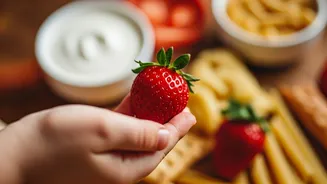
items while rejecting softer, mushier foods like porridges or khichadi. This isn't typically a sign of being difficult or stubborn; rather, it's often a manifestation of tactile sensitivity, a sensory processing challenge. For these children, the unpredictable nature of wet, slimy, or soft textures can overwhelm their nervous system, making them feel unsafe or dysregulated. Conversely, the consistent, predictable sensory input from crunchy foods offers a sense of calm and control, hence their strong preference. In some instances, the aversion to touching mushy foods can be so pronounced that they will actively avoid any contact. These patterns are quite common in toddlers aged 1-3 years and can indeed be improved with a patient, consistent, and understanding approach.
Play-Based Desensitization
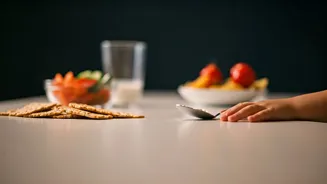
The most effective strategy for helping children overcome texture aversions involves a playful, non-pressured approach focused on gradual desensitization. The key is to avoid rushing or forcing the child to eat. Instead, begin by incorporating foods they already enjoy as a foundation. For instance, if a child loves crackers, you can introduce a new texture by dabbing a small amount of yogurt on the edge of the cracker. The aim is not immediate consumption but to let the child explore the unfamiliar texture on their preferred food and eventually on the table. They might be encouraged to offer the yogurt-covered part to a parent or a toy. By consistently offering these small exposures daily without pressure, the child's brain gradually becomes more comfortable with the new texture, making it more likely they will eventually try it. This technique is often referred to as 'food bridging.' Another creative method involves using preferred crunchy foods like 'makhana' (fox nuts) by powdering them and sprinkling this powder onto soft foods such as banana, slowly familiarizing the child with the blended textures.
Oral Motor Exercises
Beyond food-related activities, several oral motor exercises can significantly aid in desensitizing a child's mouth and improving their tolerance for different textures. Activities that involve blowing, such as blowing bubbles or blowing out candles, help strengthen oral muscles and provide controlled sensory input. Using a straw to drink liquids, especially thicker ones, can also be beneficial. Chewing on safe items like a specialized chewing tube can offer sustained proprioceptive input to the jaw. Even seemingly simple games like crumbling paper and then blowing it across a surface, known as 'paper soccer,' engage the mouth and respiratory system. These exercises, when incorporated into a child's routine, can help build oral awareness and reduce sensitivities, making them more receptive to varied food textures during mealtimes. The focus remains on engagement and making these activities feel like play rather than therapy.
Addressing Mushy Food Aversion
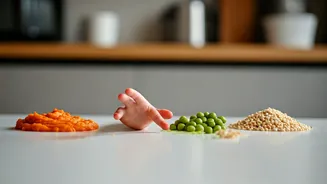
For children who exhibit a strong aversion to touching mushy foods and may refuse to have them on their plate, a slower and more deliberate approach is necessary. The initial focus should be on non-food textured play for one to two weeks, allowing the child to explore different textures in a safe, sensory-rich environment without the pressure of eating. This can involve providing dry sensory bins filled with materials like oats or rice for scooping and pouring. Engaging with playdough or allowing them to feel various fabrics, such as soft velvet and rough textures, can also be effective. The goal is to build comfort and familiarity with a range of tactile sensations before introducing food-based exploration. Once the child is more comfortable with non-food textures, you can gradually reintroduce food items that have a mushy component, perhaps starting with very small, manageable amounts and using utensils rather than direct touch.
Creating a Positive Mealtime
Maintaining a relaxed and positive atmosphere during mealtimes is paramount, irrespective of the child's texture preferences. These sessions should be kept relatively short, ideally between 10-12 minutes, to prevent fatigue or frustration. Family members should sit together and model calm eating behaviors. Parents can verbally describe their experience with food in a neutral or positive way, for example, 'Look, I'm squishing this banana; it feels interesting.' The emphasis should always be on the child's engagement and willingness to try new things, rather than the quantity of food consumed. Many children demonstrate noticeable improvement within 4-8 weeks of consistent application of these strategies, provided they are relaxed and engaged. If a child continues to exhibit significant stress or a very limited diet after several weeks, it might indicate underlying issues such as nutritional deficiencies, for example, zinc deficiency, which warrants a discussion with a pediatrician. Persistent challenges may also necessitate consultation with a pediatric occupational therapist for a specialized sensory assessment and tailored guidance.