






The Resurgence
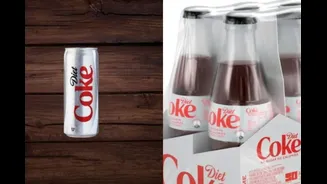
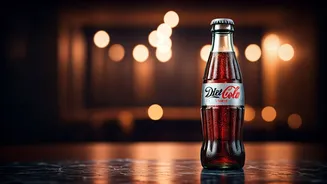
The familiar sound of a glass bottle opening has returned to India with the reintroduction of Diet Coke. This comeback, eagerly awaited by loyalists who
experienced shortages previously, comes with a notable caveat: a price tag nearly three times that of a regular can. This launch is less about the beverage itself and more about the perceived value added by its presentation, leading to discussions about whether consumers are willing to pay for an enhanced experience. While the liquid remains scientifically the same, the sentimental appeal of the glass bottle seems to be a powerful draw for many, transforming a simple drink into a statement of style and nostalgia.
Consumer Reactions
The significant price hike has naturally led to widespread questioning and debate across social media platforms. Many users express bewilderment at the willingness of consumers to pay such a premium for a sugar-free soda, with some even questioning the health perceptions associated with its consumption. Inquiries about whether the taste or experience differs from canned versions are common. This sentiment highlights a divide between those who see the premium as unjustified and those who appreciate the sensory and emotional benefits associated with the classic glass packaging. The online discourse reveals a mix of skepticism, curiosity, and a touch of playful acknowledgment of the 'aesthetic tax' involved.
Marketing Prowess
Beyond consumer sentiment, a significant portion of the conversation revolves around Coca-Cola's strategic marketing approach. Observers are both calling out and admiring the company's ability to capitalize on consumer desires. The strategy is perceived as highly effective, aimed at maximizing profits by leveraging the market's appreciation for the brand's heritage and aesthetic appeal. The substantial markup, a 300% increase for what is essentially the same zero-calorie liquid, is seen as a testament to the company's understanding of how to monetize nostalgia and perceived premium qualities in the Indian market. This astute maneuvering ensures the brand remains at the forefront of consumer consciousness.
The 'Diet Coke Party' Phenomenon
A new trend dubbed the 'Diet Coke Party' has emerged across India, further amplifying the buzz around the glass bottle return. Influencers and younger hosts are embracing this trend, substituting traditional mixers with chilled glass bottles of Diet Coke, often presented with crushed ice and a lemon wedge. This social phenomenon is a clear indicator of the beverage's resurgence as a lifestyle choice. It also fuels the ongoing debate, with some users humorously remarking that paying three times the price solely for the glass bottle embodies the notion that 'taste feels different somehow.' This trend showcases the power of social influence and the desire to replicate idealized experiences.
Nostalgia's Premium
Amidst the spirited online debate and the pragmatic questions about value, a genuine sentiment of nostalgia and appreciation for the glass bottle experience remains. For a segment of consumers, the return of the glass bottle is not merely about the drink but about recapturing a cherished feeling and tactile experience. These individuals express a true longing for the heft and visual appeal of the glass packaging, acknowledging that they are willing to bear the premium cost for this emotional connection. The joy of seeing and holding the classic bottle outweighs the financial implications for this group, reinforcing the enduring power of memory and sensory preference in consumer choices.