






Mango Selection Essentials
Crafting exceptional mango chutney begins with the right foundation: the mangoes themselves. For that quintessential raw mango chutney experience, it's
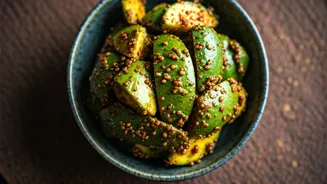
paramount to choose fruits that are firm, vibrantly green, and entirely unripe. The exterior of these mangoes should be unblemished, boasting a smooth, unmarred surface. Any signs of damage, such as cuts or bruises, can significantly compromise the chutney's final taste profile and its ability to last. Therefore, meticulously inspect each mango, discarding any that don't meet these strict criteria to ensure both optimal flavor development and an extended shelf life for your culinary creation.
Preparing The Fruit
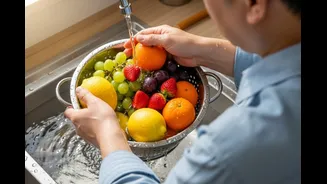
Once you’ve selected your perfect unripe mangoes, the next crucial step involves their preparation. Begin by thoroughly washing the mangoes under running water to remove any surface dirt. After washing, ensure they are completely dried with a clean cloth. The skin of raw mangoes is typically quite tough and fibrous, so it's advisable to peel it carefully using a sharp knife. Depending on your preferred texture, you can then either grate the peeled mangoes or finely chop them into small, manageable pieces. Remember to remove the central seed before proceeding with the chutney-making process.
Flavor & Color Boosters
Elevating the taste and appearance of your raw mango chutney is easily achievable with a few simple additions. Incorporating fresh mint leaves and vibrant coriander into the mix can impart a delightful freshness and aromatic complexity. To maintain that appealing, bright green hue, particularly when grinding the ingredients, consider adding a couple of ice cubes. This simple trick helps to preserve the color, preventing it from turning dull or brownish, thus ensuring your chutney looks as appetizing as it tastes.
Taming The Heat
One common challenge when making chutneys, especially spicy varieties, is controlling the heat level from chilies. To prevent your mango chutney from becoming overwhelmingly fiery, a strategic approach is recommended. For larger chilies, it's best to remove their seeds before grinding them along with the other ingredients. This action significantly reduces the capsaicinoids, the compounds responsible for the heat, allowing you to manage the spiciness more effectively and achieve a balanced flavor that suits your palate.
Tempering Touches (Optional)
Adding a tempering, known as 'tadka' or 'chaunk' in Indian cooking, is an optional yet highly rewarding step for some chutney enthusiasts. This process involves heating a small amount of oil, typically mustard oil, and then adding mustard seeds and fresh curry leaves until they splutter and become fragrant. This flavorful oil mixture is then poured over the prepared chutney and mixed in. Alternatively, you can use a blend of five spices, 'panch phoron,' for tempering. However, the chutney can also be deliciously enjoyed without this step, allowing the raw mango's natural flavors to shine.
Crafting Sweet Chutney
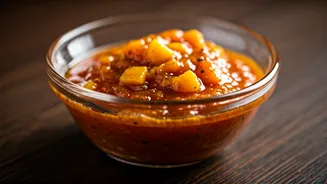
For those who prefer a sweet and tangy profile, the process for sweet mango chutney, often called 'launji,' differs slightly. After washing and peeling the mangoes, cut them into small pieces. Cook these pieces in a pot with a little water until they reach a softened state. Subsequently, introduce your sweetener of choice—jaggery or sugar—along with turmeric powder for color, red chili powder for a hint of warmth, garam masala for complexity, and cumin powder for an earthy undertone. Allow this mixture to simmer gently for about 15 to 20 minutes, or until it thickens to your desired consistency.
Balancing Sweetness
Achieving the perfect sweet and sour equilibrium in sweet mango chutney hinges critically on the amount of jaggery or sugar used. A general guideline is to use approximately 300 grams of jaggery for every 500 grams of mangoes. This ratio helps to create a harmonious blend of sweet and tart flavors, ensuring the chutney is palatable and delightful. Experimentation may be needed based on the natural sweetness of the mangoes and personal preference, but this starting point is a reliable way to achieve a balanced taste.
Texture Control
Pay close attention to the cooking time after you add the jaggery or sugar to your sweet mango chutney. Overcooking at this stage can lead to an undesirable outcome: a chutney that becomes excessively thick and then hardens considerably once it cools down. The goal is to reach a consistency that is jam-like but still spreadable. Monitor the mixture closely during the final cooking phase, removing it from the heat when it coats the back of a spoon nicely, anticipating that it will firm up further as it cools.
Storage Guidelines
Once your delicious homemade mango chutney, whether sweet or spicy, is ready, proper storage is key to enjoying it over an extended period. Transfer the cooled chutney into an airtight container. When stored in the refrigerator, it can maintain its freshness and flavor for approximately 10 to 12 days. This allows you to savor the taste of summer mangoes long after the season has passed, making the most of your culinary efforts.