





What are Tariffs?
Tariffs are essentially taxes placed on goods imported from other countries. They are a tool governments use to influence trade, often aiming to protect
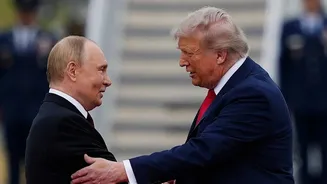
domestic industries or address trade imbalances. By making imported goods more expensive, tariffs can encourage consumers to buy locally produced products. Throughout history, tariffs have been a significant aspect of international trade policy. When Donald Trump was in office, he implemented several tariffs on goods from various countries. The aim was to protect American industries and address what was seen as unfair trade practices by other nations. These tariffs were often met with retaliatory measures from the targeted countries, leading to trade disputes and impacting global markets. The tariffs covered a wide range of goods, from steel and aluminum to agricultural products and electronics. The impact of these tariffs rippled through various sectors, affecting businesses, consumers, and international relationships.
Economic Consequences
The implementation of tariffs often brings about significant economic consequences. For businesses, tariffs can increase the cost of imported raw materials and components, which can then reduce competitiveness. This can lead to decreased production, job losses, or businesses shifting operations to countries without tariffs. On the consumer side, tariffs generally lead to higher prices for imported goods. This increase in the cost of imported goods can decrease the purchasing power of consumers, potentially leading to reduced consumption and slower economic growth. Internationally, tariffs can trigger trade wars. When one country imposes tariffs, it often results in retaliatory measures from the affected countries, leading to a cycle of escalating tariffs. Trade wars disrupt global supply chains, increase uncertainty for businesses, and harm economic relationships between countries. Ultimately, the success of tariffs in achieving their intended objectives is a complex issue, with varying outcomes depending on the specific context and the specific products targeted.
Impact on Businesses
Businesses face diverse challenges in the face of tariffs. Companies that rely heavily on imported materials often see their costs increase. This price hike could force companies to reduce profit margins, increase prices for consumers, or even scale back production and employment. The impact on specific industries varies based on their reliance on imports and their ability to pass on increased costs to consumers. Sectors such as manufacturing, which heavily depend on imported components, are particularly vulnerable. Tariffs can also lead to changes in supply chains. Businesses may seek alternative suppliers in countries not affected by the tariffs, which can mean more expensive transportation, or they may choose to invest in domestic production. These adjustments can be costly and time-consuming. Overall, tariffs inject uncertainty into the business environment, making it harder for companies to plan for the future. Decisions about investments, hiring, and expansion become riskier when trade policies are unpredictable.
Consumer Effects
Consumers are also directly impacted by tariffs. One of the most immediate effects is the rise in the prices of imported goods. This means that consumers have less purchasing power, as their money does not go as far. The increase in prices can affect household budgets, potentially forcing consumers to reduce spending or switch to lower-cost alternatives. Tariffs can also impact the variety and availability of goods. The prices of imports may make them less attractive, which reduces the choices available to consumers. The availability of certain products could be restricted if tariffs make them too expensive to import. Moreover, tariffs can trigger inflation, especially if they are widespread. As the cost of imported goods increases, businesses may pass on those costs to consumers by raising the prices of their products. This can lead to a general increase in the cost of living, which affects the overall economy and erodes consumer confidence.
International Relations
Tariffs can severely affect international relationships. When a country imposes tariffs, it often leads to retaliation from the affected countries. This can escalate into trade wars, where multiple countries impose tariffs on each other's goods. Trade wars can strain diplomatic relations and undermine trust between nations. They can lead to disputes and legal challenges at the World Trade Organization (WTO). Trade wars disrupt global supply chains, increase uncertainty, and harm economic cooperation. Negotiating trade agreements becomes more challenging in an environment marked by protectionist measures. Tariffs may also be used to pressure other countries into changing their trade practices or policies. The use of tariffs as a tool of foreign policy can have long-term consequences, affecting global trade patterns, international security, and the overall stability of the international system. A careful and considered approach is needed to manage trade policies and minimize their potential negative impacts.