






Export Landscape Shifts
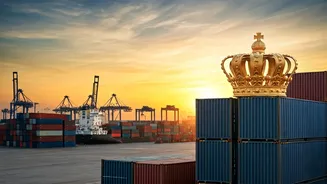
India's export dynamics have experienced a significant alteration, with the leading state in exports transitioning. This change is not merely a statistical
adjustment; it reflects underlying shifts in the nation's economic capabilities and strategic priorities. The shift is indicative of the ongoing evolution within India's economic sectors. It underscores the competitiveness among states, each aiming to boost its contribution to the country's overall economic prowess. Understanding this change is vital for grasping the broader trends shaping India's economic future. The movement in export leadership serves as a key indicator, offering insights into regional strengths, strategic investments, and the global economic integration of different Indian states. Such insights are essential for policymakers, businesses, and anyone interested in the trajectory of India's economic progress. This shift demonstrates the dynamic nature of India's economy and provides a view of how various states are contributing to the national economic landscape.
Factors Driving Change
Several factors are contributing to the alteration in India's export landscape. These elements include strategic investments, infrastructural development, and shifts in global demand. One crucial aspect is the evolving industrial policies that emphasize specific sectors within different states. Furthermore, enhanced infrastructure, such as ports, logistics networks, and transportation systems, is critical in facilitating increased export volumes. Another significant influence is the changing global demand for various goods and services. States that successfully adapt to these market trends and diversify their export portfolios are more likely to achieve higher export figures. Technological advancements also play a critical role, as states that embrace innovation and digital transformation are well-positioned to enhance their export competitiveness. These technological integrations improve production efficiency and enable the adoption of modern trade practices. Ultimately, the confluence of these strategic, infrastructural, and technological factors is shaping the new export dynamics of India. These alterations are vital to observe for understanding the nation's economic progress.
Economic Implications Explored
The shift in export leadership has wide-ranging economic consequences for India. Primarily, it impacts the country's balance of trade and foreign exchange earnings. A state becoming a major exporter strengthens the nation's overall financial position. The competition among states to increase exports fuels economic growth and generates employment opportunities. States with robust export performances tend to attract greater investment, leading to economic expansion and improved living standards. Moreover, this shift helps diversify India's export base. Reliance on a single state can be reduced, making the nation less vulnerable to economic shocks. Also, export growth can act as a catalyst for other industries, such as manufacturing and services. The growth in exports can also encourage the development of specialized economic zones and clusters, facilitating growth and specialization. Overall, the changing export dynamics offer opportunities to enhance India's economic strength, and improve its competitive positioning globally. Policymakers and businesses should remain closely involved in these evolving patterns.
Future Outlook Considered
Looking ahead, the shift in export leadership presents both opportunities and challenges for India. The capacity to sustain and boost export performance will be crucial for the nation’s continued economic success. Policy support, infrastructural enhancements, and industry-specific initiatives are essential to promote this growth. Emphasis on digital transformation and embracing technological advancements are pivotal. Additionally, focusing on sustainability and promoting green exports is becoming increasingly significant in the global market. Ensuring that export growth is inclusive, benefiting all states and sectors, is vital for long-term sustainability. Moreover, strengthening trade relationships with key international partners is essential. This can be achieved through strategic alliances and trade agreements. India’s export trajectory will have a substantial impact on its economic growth and its standing in the global arena. The ability to adapt to changing market dynamics, embrace innovation, and foster economic inclusivity is crucial for shaping India's export future.