






What is Hantavirus?
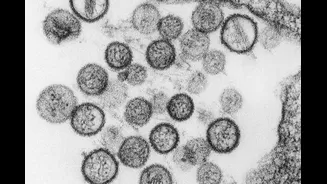
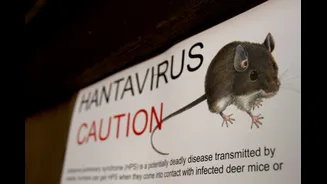
Hantaviruses represent a group of viruses primarily transmitted to humans through contact with infected rodents, particularly mice and rats. These viruses are
not spread from person to person; instead, the primary mode of transmission occurs when humans inhale aerosolized virus particles shed in rodent urine, feces, or saliva. The virus can also be contracted through direct contact with rodent droppings or by touching a contaminated surface and then touching your eyes, nose, or mouth. In rare instances, bites from infected rodents have also been implicated in transmission. The severity of Hantavirus infections can vary, ranging from mild flu-like symptoms to severe, life-threatening respiratory illnesses such as Hantavirus Pulmonary Syndrome (HPS). Understanding the source of these viruses and the mechanisms of transmission is the first step in appreciating the potential public health implications of an outbreak.
Recognizing the Symptoms
The onset of Hantavirus symptoms typically appears one to eight weeks after exposure to the virus, though incubation periods can sometimes extend up to six weeks. Initial symptoms usually include fever, severe headache, and muscle aches, particularly in the lower back and thighs. Nausea, vomiting, and diarrhea can also be present. As the illness progresses, particularly in cases of Hantavirus Pulmonary Syndrome (HPS), respiratory symptoms become prominent. These can include coughing and shortness of breath, which rapidly escalate to difficulty breathing as fluid accumulates in the lungs. Prompt medical attention is crucial for early intervention and management of this potentially severe condition.
Assessing the Risks
The risk of contracting Hantavirus is generally low for the general population but can increase significantly for individuals engaging in activities that bring them into close proximity with rodents or their droppings. This includes people living in or visiting rural areas where rodent populations are common, campers, hikers, and individuals involved in cleaning out rodent-infested structures such as sheds, barns, or cabins. The recent cruise ship outbreak highlights that even seemingly controlled environments can become breeding grounds for concern if rodent presence is not meticulously managed. Factors like poor sanitation, undisturbed storage areas, and inadequate waste management can create ideal conditions for rodents to thrive, thereby elevating the risk of Hantavirus transmission to humans in such settings.
Treatment and Prevention
Currently, there is no specific antiviral treatment for Hantavirus infections. Management focuses on supportive care to alleviate symptoms and assist the body's recovery. For Hantavirus Pulmonary Syndrome (HPS), this often involves hospitalization and intensive care, including oxygen therapy and mechanical ventilation to help with breathing difficulties. Early diagnosis and prompt medical intervention are key to improving outcomes. Prevention is paramount and centers on minimizing exposure to rodents and their waste. This involves thoroughly cleaning and disinfecting areas where rodents may have been present, ensuring proper food storage to avoid attracting them, and sealing potential entry points into homes and buildings. When cleaning rodent-infested areas, it is advisable to wear gloves and a mask, and to ventilate the space well.