






The Ubiquitous Fridge Handle
Your refrigerator handle is arguably the most frequently touched surface in your kitchen, with Americans opening it an average of 33 times daily. Despite
this constant interaction, it's rarely given a thorough cleaning. This high-traffic area becomes a prime breeding ground for bacteria and germs due to continuous hand contact without consistent sanitization. To combat this, Dr. Tania Elliott advises a simple yet crucial habit: wiping down fridge handles at least once a day. This consistent attention prevents the buildup of unseen contaminants, ensuring a safer environment for food storage and handling. Neglecting this simple step can mean that despite your best efforts elsewhere, this one spot remains a significant source of potential germs, compromising the overall cleanliness of your kitchen.
The Neglected Garbage Bin
While taking out the trash daily is a common practice, the garbage bin itself often escapes proper cleaning, leading to an unseen microbial problem. A lingering odor from the bin is a telltale sign that bacteria are flourishing within its confines. Food residue, spilled liquids, and organic matter can accumulate over time, creating an unsanitary environment. Dr. Elliott emphasizes that a clean bin shouldn't smell. She recommends a regular cleaning routine for the bin, both inside and out, perhaps once a week. This proactive approach helps eliminate odor-causing bacteria and prevents the bin from becoming a secondary source of contamination for your kitchen, even after the garbage has been removed.
The Deceptive Dish Sponge
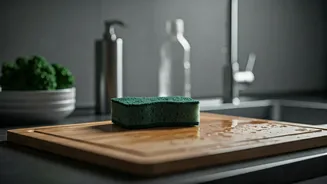
Ironically, the tool you use to scrub your dishes can be one of the most unhygienic items in your kitchen. Dish sponges, often made of porous plastic, are difficult to fully clean and dry, creating an ideal habitat for bacteria and mold. These microscopic organisms can easily transfer from the sponge to your plates and utensils, undoing your cleaning efforts. To mitigate this, it's essential to replace your dish sponges frequently. A helpful maintenance tip involves washing them with hot, soapy water and thoroughly squeezing them dry after each use. Avoiding prolonged periods where the sponge remains wet is also critical. This diligent care can help extend the life of a sponge and reduce its germ-carrying potential.
The Deceptive Kettle Interior
Even appliances used solely for boiling water can harbor hidden grime. Your kettle, despite its simple function, can accumulate mineral deposits, bacteria, and even mold within its interior. These contaminants can affect the taste and safety of the water you use for drinks and cooking. Dr. Elliott suggests making it a regular practice to wash your kettle thoroughly after each use. Ensuring it is completely dry after washing is also paramount to preventing the growth of mold and bacteria. This consistent cleaning routine helps maintain the hygiene of your kettle, ensuring that the water it heats is as clean as possible.
The Overlooked Dishwasher Drain
Perhaps the most surprising spot on the list is the dishwasher drain, an area many people are unaware needs cleaning. This overlooked component is a trap for food particles and debris that escape the main wash cycle. If not regularly cleaned, these remnants can fester, creating a breeding ground for bacteria. When you run your dishwasher again, these contaminants can be redistributed onto your dishes, making them dirtier rather than cleaner. Dr. Elliott strongly advises removing and cleaning the dishwasher drain at least once a week. This simple maintenance step is crucial for ensuring your dishwasher effectively cleans your dishes and doesn't inadvertently spread germs.