




Restaurant's Difficult Decision
Gagandeep Singh Sapra, the proprietor of 'Tadka Rani,' a well-regarded North Indian establishment in South Delhi, recently made the tough call to halt
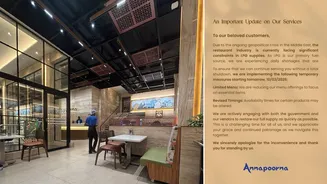
all operations. This drastic measure was a direct consequence of exhausting his Liquefied Petroleum Gas (LPG) supply, rendering his kitchen unable to function. Sapra expressed his regret over the situation, particularly the impact on his customers, as he had to take his restaurant offline from all food delivery platforms. He described the pain of selecting 'Closed due to LPG Shortage' as a reason for service interruption. Despite the closure of Tadka Rani, Sapra mentioned that his other culinary ventures, 'The Nashta Company' and 'The Meal Combo Box Company,' would continue to serve a restricted menu for as long as their existing gas reserves would allow, signaling a strategy to mitigate the broader business impact.
Black Market Price Gouging
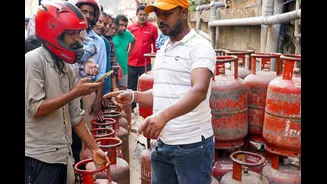
The owner of 'Tadka Rani' pointed to rampant black marketing as a significant exacerbating factor in the LPG shortage. He claimed that unscrupulous traders were exploiting the situation, demanding prices upwards of ₹5,000 for a single cylinder in the unofficial market. This astronomical figure starkly contrasts with the regulated price of a 19 kg commercial cylinder from Indian Oil Corporation's IndaneGas brand, which stands at ₹1,768.50 in Delhi. Sapra questioned how these cylinders were available in the black market if legitimate supply channels were experiencing shortages, implying a need for investigation into potential corruption involving officials or politicians. His public statement on social media platform X underscored the severity, stating, 'gas is finished, black marketeers are now asking for 5000+++ for gas cylinders,' and questioning the role of investigative agencies like the ED and CBI.
Broader Industry Impact
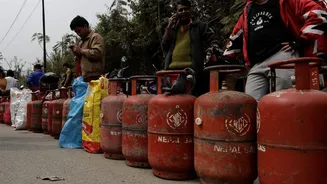
Sapra's plight resonated with many in the food industry, with social media users expressing widespread concern over the escalating LPG crisis. Reports indicated that numerous hotels and eateries had only a few days' worth of gas stock remaining, with black market activities on the rise. Some commentators attributed the supply chain disruptions to global geopolitical tensions, specifically citing the impact of conflicts in West Asia on energy shipments. The disruption of maritime trade routes, such as the Strait of Hormuz, through which a significant portion of India's LPG imports pass, was identified as a key reason for the scarcity. This situation led to a surge in prices and the emergence of parallel black markets. The crisis prompted discussions about the fragility of supply chains and the need for energy security.
Government Intervention & Response
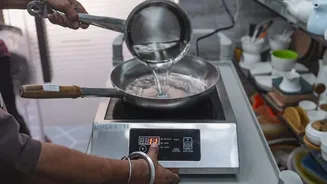
In response to the growing concerns, the central government invoked emergency provisions to direct refiners to boost LPG production and prioritize household consumption. However, this measure inadvertently led to difficulties for commercial users, including restaurants, street food vendors, and laundry services, who found it challenging to secure cylinder supplies. Many businesses, facing these shortages and restrictions under the Essential Commodities Act, were compelled to adapt by reducing their menus, exploring electric cooking alternatives, or curtailing operating hours to conserve their dwindling gas reserves. Meanwhile, officials from the Delhi government asserted that there was no overall fuel shortage in the capital, assuring residents that supplies of petrol, diesel, and LPG remained stable and urging the public to disregard rumors. They also pledged strict action against individuals involved in gas theft or illegal trade.