


A Global Culinary Spotlight
The esteemed food guide TasteAtlas has recently illuminated the world's most beloved rice puddings, with India making an impressive debut by featuring
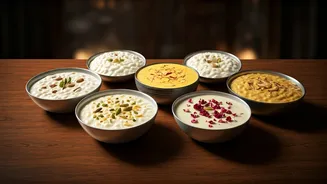
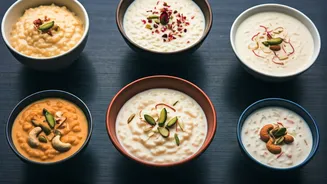
six distinct regional classics. This recognition underscores the profound cultural significance and widespread appeal of Indian desserts. Among these lauded creations, Phirni secured a commendable third position, celebrated for its velvety texture and festive aroma. Kheer, a dessert with ancient lineage, followed at seventh place, highlighting its enduring popularity and historical presence in Indian households. These accolades not only celebrate the deliciousness of these dishes but also acknowledge the deep-rooted traditions and stories they encapsulate, offering a glimpse into India's rich culinary landscape to a global audience. The presence of multiple Indian rice puddings on this international list signifies their unique place in the hearts of many, both within India and beyond its borders, proving that these simple yet elegant preparations are indeed global phenomena.
Phirni's Festive Charm
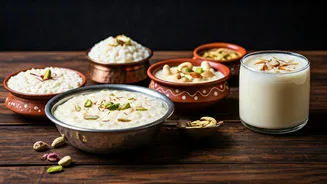
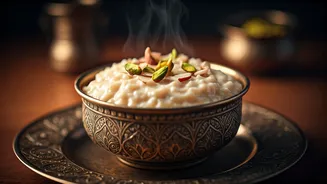
Securing an impressive third rank globally, Phirni exemplifies the artistry of Indian rice puddings. Its preparation is a testament to the beauty of slow cooking, where ground rice is meticulously simmered with milk until it achieves a luxuriously creamy consistency. Often infused with fragrant cardamom and rose water, and garnished with slivered nuts, Phirni is typically served chilled in traditional earthen bowls, which enhance its subtle flavour. Food historian Sadaf Hussain emphasizes that the magic of Phirni lies not just in its taste, but in the deliberate, unhurried cooking process itself. This slow simmering allows the flavours to meld beautifully, creating an aroma that is as captivating as the dish’s texture. The festive appeal of Phirni makes it a staple during celebrations, embodying a sense of occasion and indulgence that resonates deeply with those who savour it, making its global recognition well-deserved.
Kheer: An Ancient Delight
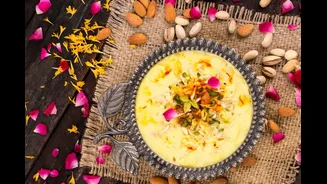
Holding the seventh spot on TasteAtlas's distinguished list, Kheer stands as one of India's most venerable and widely adored desserts. Its history is so deeply ingrained in the subcontinent's culinary past that it boasts references in ancient texts, a continuity that food author Sadaf Hussain points out remains remarkably consistent even today. The fundamental recipe, involving rice, milk, and sugar, is often enriched with cardamom, saffron, and an assortment of nuts like almonds and pistachios, creating a comforting and aromatic experience. Kheer’s enduring popularity stems from its versatility; it can be prepared with various grains and sweeteners, adapting to regional preferences and availability. This historical depth and widespread acceptance have cemented Kheer's status not just as a dessert, but as a culinary legacy that continues to be cherished across generations, from simple home kitchens to elaborate feasts, solidifying its international appeal.
South India's Harvest Gem: Sakkarai Pongal
Ranked fifteenth in the global survey, Sakkarai Pongal emerges as a vibrant representation of South India's agricultural bounty and cultural traditions. This sweet rice pudding is more than just a dish; it's an integral part of harvest festivals, symbolizing gratitude for a plentiful yield. Prepared with rice, jaggery (unrefined cane sugar), ghee (clarified butter), and often flavored with cardamom and camphor, Sakkarai Pongal offers a distinctively rich sweetness. Its preparation is intrinsically linked to agrarian rituals, where consuming it signifies participation in the enduring cycle of land, labor, and faith. According to food historian Sadaf Hussain, this deep connection to the land and belief systems imbues Sakkarai Pongal with a unique cultural resonance, making it a cherished offering during important festivals and a testament to the harmonious relationship between food and spirituality in the region.
Pongal: Comfort in a Bowl
The inclusion of Pongal at nineteenth place acknowledges its significant cultural footprint, particularly in South India, where it is cherished in both sweet and savory forms. While often recognized for its savory counterpart, this iteration celebrates its comforting, porridge-like essence. The base typically consists of rice and lentils, slow-cooked to a soft, yielding consistency. Its simplicity and adaptability have made it a daily staple and a symbol of wholesome nourishment. Pongal's presence on the global list highlights its role as a comforting, everyday meal that reflects the daily lives and dietary habits of a large population. This recognition underscores how a dish, seemingly simple, can hold immense cultural value and widespread appeal due to its accessibility, comfort factor, and deep integration into the regional cuisine.
Doodhpak's Rich Indulgence
Representing Western India, Doodhpak secures the twenty-fourth position, offering a decadent and aromatic variation of the classic rice pudding. This dish is characterized by its rich, thick consistency, achieved by slow-cooking milk and rice until the milk has reduced significantly, imparting a deep, creamy flavor. It is often generously infused with saffron, lending it a beautiful golden hue and a distinctive aroma, alongside slivered nuts for added texture. Doodhpak embodies a more indulgent culinary preference often associated with festive occasions and celebratory feasts in Western India. Its opulent nature and aromatic profile distinguish it from simpler rice puddings, reflecting regional tastes for richness and luxury in their culinary expressions, thus earning its place among the world's celebrated rice-based desserts.
Ven Pongal's Savory Twist
Rounding out India's representation at twenty-sixth place is Ven Pongal, a savory preparation that showcases the incredible diversity within the country's rice-based dishes. Unlike its sweeter counterparts, Ven Pongal is a harmonious blend of rice and split yellow lentils (moong dal), seasoned with black pepper, cumin, ginger, and curry leaves, all brought together with a generous amount of ghee. This savory porridge is a popular breakfast or light meal option, celebrated for its comforting texture and invigorating spices. Chef and food historian Osama Jalali notes that such regional variations are deeply influenced by local climate, produce, and lifestyle. Ven Pongal’s inclusion highlights that rice puddings are not confined to desserts; they are versatile, culturally embedded dishes that can offer a fulfilling and flavorful savory experience, demonstrating the breadth of Indian cuisine.
The Essence of Indian Puddings
According to food historian Sadaf Hussain, the unique appeal of Indian rice puddings lies in three core elements that have ensured their enduring legacy. Firstly, the tradition of slow cooking is paramount, a method that not only develops profound depth of flavor but also imbues the dish with a sense of care and patience. Secondly, their cultural context is inseparable from their taste; these dishes are deeply woven into the fabric of life, from joyous celebrations and sacred temple offerings to solemn occasions, carrying centuries of emotion and regional identity. Lastly, their remarkable consistency across generations speaks to an authenticity that preserves their original character. As Hussain aptly puts it, these puddings are more than just food; they are 'memories served in a bowl,' embodying devotion, prosperity, and gratitude, making them a cherished part of India’s culinary heritage.