



Pose Benefits Unveiled
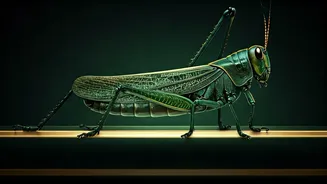
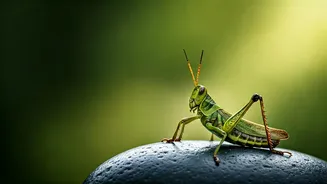
Bala Parsva Bhuja Dandasana, affectionately known as the Baby Grasshopper Pose, offers a wealth of advantages for both the body and mind. When practiced
regularly, this challenging arm-balancing posture significantly fortifies the arms, wrists, and shoulders, creating a robust foundation for other inversions and balances. Concurrently, it engages the core muscles deeply, fostering enhanced stability and power. Beyond upper body strengthening, the pose is instrumental in improving hip flexibility and increasing the range of motion in the spine. It also targets the legs, thighs, and hamstrings, promoting suppleness and reducing stiffness. Furthermore, the gentle compression on the abdominal region aids in stimulating the digestive system, potentially improving its efficiency. On a mental level, consistently working towards mastering this asana cultivates a remarkable improvement in focus and concentration, strengthening willpower and the ability to persevere through challenges.
Mastering the Pose Safely
Approaching an advanced pose like Bala Parsva Bhuja Dandasana requires a strategic and progressive method. Begin by preparing the body with preparatory poses that open the hips, such as Malasana, the yogic squat. This fundamental pose ensures the hips are ready to accommodate the twist and external rotation required later. Following hip preparation, incorporating gentle spinal twists enhances spinal mobility, making the torso more adaptable for the balancing act. To build the necessary arm and core strength, practice foundational arm balances like Bakasana, the Crow Pose. This pose teaches weight distribution on the hands and arms and strengthens the core engagement crucial for stability. Gradual progression is key; avoid rushing into the full pose, ensuring each step is mastered before moving to the next.
Scaling Up Progressively
The journey to the full Baby Grasshopper Pose involves several stages of progression, focusing on building confidence and control. The initial scaling involves transitioning from a squatting position. From Malasana, twist your torso to one side, bringing the opposite elbow to the outside of your knee, mimicking a deep seated twist. Next, place both hands on the mat, fingers spread wide, and begin to gently shift your body weight forward over your hands. The next crucial step is to practice lifting one foot off the ground, maintaining the twist and balance. Focus intently on engaging your core muscles to support your torso and keep your balance, rather than solely concentrating on achieving a full leg extension. Once comfortable with one leg lifted, you can work towards lifting both feet, a significant milestone in mastering this challenging asana. This phase emphasizes core engagement and controlled balance above all else.
Advanced Progression Steps
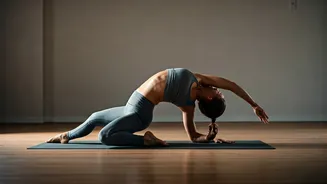
For those ready to advance beyond the initial stages, the full Baby Grasshopper Pose demands a deeper commitment to stability and integration. Starting from the twisted squat position, plant both palms firmly on the ground, ensuring a solid base. The next critical movement is shifting your body weight forward significantly, enough to enable lifting both feet simultaneously off the ground. The distinctive element of this advanced progression is extending the legs outwards to one side while maintaining balance entirely on your arms. During this phase, it's vital to keep the spine active and engaged, preventing it from collapsing. Maintain a steady gaze forward to aid concentration and balance. Crucially, ensure your breath remains calm and consistent throughout the pose, which is paramount for sustained effort and stability.
Essential Do's and Don'ts
Before attempting Bala Parsva Bhuja Dandasana, adhering to specific guidelines is imperative for safety and effectiveness. It is crucial to avoid this posture entirely if you have any pre-existing injuries in your wrists, shoulders, elbows, or lower back, as the pose places significant stress on these areas. Always begin any yoga session, especially before attempting advanced poses, with a thorough warm-up focusing on the wrists, shoulders, hips, and spine to prepare the joints and muscles. Never attempt to jump into the pose; this advanced arm balance requires a gradual and mindful progression to avoid injury. Actively engage your core throughout the practice to protect your joints and prevent your shoulders from collapsing under your body weight. Practicing under the guidance of a qualified yoga instructor is highly recommended, particularly for beginners, to ensure proper form and safety. Additionally, individuals who are pregnant or have high blood pressure should refrain from performing deep twists like those involved in this pose.