




January's Wolf Moon
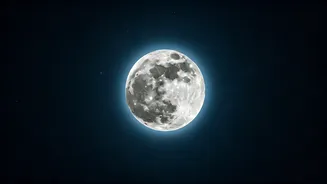
The first full moon of 2026, often called the Wolf Moon, graces the January sky. This full moon, a spectacle in its own right, kicks off the year's lunar
events. The name is rooted in the sounds of wolves, which were often heard howling in hunger during the cold, dark days of winter. Observing tips for the January full moon involve finding a location with minimal light pollution and a clear view of the eastern horizon, where the moon rises. Consider using binoculars or a telescope for a closer look, as these tools can enhance the viewing experience and reveal the lunar surface's finer details. The January full moon serves as a wonderful introduction to the year's celestial events and sets the stage for the full moons to follow.
February's Snow Moon
February's full moon is commonly known as the Snow Moon, a name that perfectly describes the typical weather conditions during this time. The full moon of February often appears during periods of heavy snowfall, giving rise to its seasonal moniker. Observing the Snow Moon follows the same principles as with the Wolf Moon. Skywatchers should seek locations with reduced light pollution to maximize the visibility of the lunar surface. The February full moon is a reminder of nature's beauty and the interconnectedness of our planet. The Moon’s brilliant light reflecting off the snow-covered landscape can create a stunning and ethereal scene. This full moon offers another chance for people to marvel at the cosmos and witness the lunar cycle in action, contributing to the rich tradition of observing celestial events throughout the year.
Observing Tips for 2026
To fully appreciate the full moons of 2026, several observing tips can enhance your experience. First, it is important to find a viewing location that has minimal light pollution. Away from city lights, the moon's full glow is easier to appreciate, and other celestial objects may become visible. Check the weather forecast before the night of the full moon. Clear skies are essential for viewing the moon. If you plan to take photos, a tripod is your best friend. A stable base is important to prevent blurry images. Using binoculars or a telescope allows for more detailed views of the lunar surface, revealing craters and other features. Dress warmly. Observing the night sky can get chilly, so ensure you dress according to the conditions, and pack some hot beverages.
Additional Sky Sights
Besides the full moons, the year 2026 offers other celestial events for enthusiasts to enjoy. Planets like Jupiter and Venus will be visible during certain periods. Jupiter, often called the 'king of planets', shines brightly in the night sky. Venus, also known as the 'morning star' or 'evening star', will also be easily visible due to its brightness. In addition to planets, opportunities for observing comets and meteor showers might arise. These events add layers of excitement to the night sky, making stargazing an enriching hobby throughout the year. Keeping an eye on astronomical news and observing resources will assist in tracking these events and not missing out on the cosmic wonders of 2026.
Documenting the Events
Documenting the full moons and other celestial events through photography is a rewarding endeavor. Start with simple equipment, such as a smartphone camera, and gradually advance to more sophisticated setups. Experimenting with different camera settings, such as exposure time and ISO, can dramatically improve the quality of your images. Capture the moon in various settings, like landscapes or urban environments, to add context and visual appeal. Post-processing is a crucial step in enhancing your images; using photo editing software helps refine the details, such as contrast and sharpness. Join photography communities or seek advice from experienced astrophotographers. Sharing your photos and experiences with others can enrich your learning and enjoyment of the hobby.
Cultural Significance in India
In India, the full moon holds cultural and religious significance. The lunar cycle is closely linked with the Hindu calendar, with many festivals and rituals timed according to moon phases. The full moon often marks the beginning or end of important religious observances. The lunar cycle influences astrology in India, providing predictions and insights that guide various aspects of life. The full moon is viewed as a time of spiritual significance, when the moon's energy is believed to be most potent. The full moon provides a connection to the cycles of nature and inspires reflection. Understanding the cultural significance enhances the experience of observing the full moon for a deeper appreciation of the connections between culture and cosmos.