




Ancient Roots Uncovered
While idlis are an undeniable comfort food in India, gracing breakfast tables, train journeys, and even fine dining menus, their lineage might be more
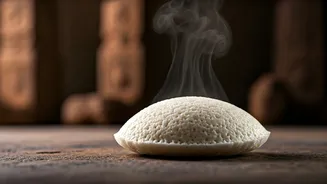
complex than commonly believed. Early historical mentions of idli, such as those found in the writings of Shivakotiacharya, describe a preparation that significantly differed from the soft, spongy dish enjoyed today. These ancestral versions apparently lacked the key components of rice, fermentation, and the steaming technique that define modern idlis. This suggests a culinary evolution where the idli we recognize today is a refined and transformed iteration of a much simpler precursor, highlighting the dynamic nature of food traditions over time and the potential for external influences shaping indigenous dishes.
The Steaming Connection
The ubiquitous steaming method, now integral to idli preparation, was not a commonplace cooking technique in ancient India. Historical accounts, including observations by Chinese traveler Xuanzang, suggest a limited use of steaming for food preparation among the populace. This points to a potential introduction of the technique from elsewhere. Food historian K.T. Achaya’s research suggests that the modern idli's creation might have been inspired by an Indonesian dish known as “kedli.” This dish, like the idli, featured the fundamental elements of rice, fermentation, and steaming. The hypothesis is that during the period between the 7th and 12th centuries, when Hindu rulers from parts of Indonesia traveled to India, their accompanying chefs brought their culinary knowledge and recipes, including the methods for preparing 'kedli,' thereby introducing the steaming technique and influencing the development of the idli.
Adaptation and Evolution
The journey of 'kedli' to India, and its subsequent transformation into the idli, represents a fascinating case of culinary adaptation. The adoption of this Indonesian dish's principles, particularly rice, fermentation, and steaming, allowed it to gradually integrate into the Indian food landscape. Over centuries, it evolved into a staple, cherished for its lightness, digestibility, and comforting qualities, making it a go-to option for meals when feeling unwell or simply seeking familiar flavors. This historical fusion demonstrates how food traditions travel, adapt, and are embraced by new cultures, enriching their culinary heritage. The versatility of the idli is further evident in its numerous modern variations, such as rava idli, ragi idli, podi idli, and stuffed idli, showcasing its enduring popularity and capacity for innovation.
Creative Idli Variations
The classic idli, regardless of its ancient origins, has inspired a plethora of creative and healthy variations that cater to diverse tastes and dietary needs. For those seeking a nutritious start, Oats Idli offers a wholesome alternative that doesn't compromise on flavor, making it an easy daily choice. Beetroot Idli introduces a vibrant hue and a subtle sweetness, packed with nutrients for a dual benefit of taste and health. Even ingredients less commonly associated with breakfast, like Lauki (bottle gourd), transform into surprisingly soft, light, and delicious idlis, potentially changing perceptions of this versatile vegetable. Carrot Idli provides a gentle sweetness and satisfying texture, elevating the simple idli with a touch of natural flavor. For an added protein boost, Sprouts Idli is a filling and wholesome option that pairs perfectly with traditional accompaniments like sambar and chutney, demonstrating the ongoing innovation and adaptability of this beloved dish.