





Convenience Takes Center Stage
Recent disruptions in Liquefied Petroleum Gas (LPG) cylinder supplies, exacerbated by international events, have significantly impacted households, restaurants,
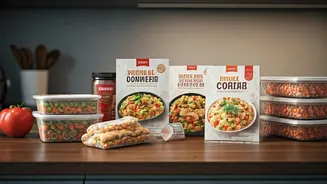
and institutions across India. This scarcity has propelled a notable increase in the consumption of ready-to-eat meals, frozen foods, and other convenient food options. Brands specializing in ready-to-cook pastes, such as Thai curry pastes, have reported unprecedented sales figures, suggesting a potential long-term alteration in consumer preferences. This trend indicates a growing reliance on pre-prepared food items, even as the supply chain issues are being addressed. The industry is observing this shift closely, with expectations that the convenience factor will continue to drive demand for these products well into the future, reshaping daily cooking routines for many.
Brands Respond to Demand
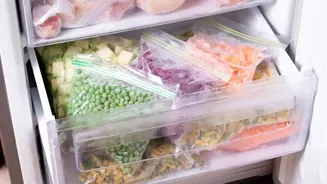
In response to the escalating demand for alternatives, food brands and retailers have intensified their promotional activities. Companies are reviving advertising campaigns for their frozen vegetable selections and highlighting 'induction-friendly' cookware to cater to the shift away from gas stoves. Manufacturers of ready-to-eat and ready-to-cook meal kits are experiencing substantial growth, with projections indicating even higher sales if the gas shortage persists. This strategic pivot by brands underscores their adaptability to evolving consumer needs during times of crisis. The increased visibility and accessibility of these convenient food categories are likely to solidify their position in the market, potentially leading to sustained consumer adoption even after the immediate supply pressures subside.
Long-Term Trend Emerges
The current gas shortage is acting as a catalyst, potentially transforming the adoption of ready-to-cook and frozen foods from a temporary lockdown trend into a lasting consumer habit. Analysts suggest that the convenience and time-saving aspects of these products, which saw a surge during the COVID-19 pandemic before stabilizing, are now poised for renewed and sustained growth. Beyond convenience meals, specialized health-focused items like protein oats and millet muesli are also witnessing strong traction, particularly among working professionals and those prioritizing a healthy lifestyle. This multifaceted demand highlights a broader shift towards convenient, often health-conscious, food solutions that fit modern lifestyles.
Driving Electrification
Despite efforts to prioritize domestic LPG supplies, persistent shortages and reports of significant price hikes for cylinders are driving a concurrent surge in demand for electric cooking alternatives. Retailers specializing in electronics and appliances have noted a dramatic increase in the daily sales rate of induction cooktops, nearly tripling from usual levels. This sharp and immediate uptick in demand for electric cooking solutions indicates a significant consumer pivot towards reliable and readily available alternatives to gas. The growing reliance on induction cooktops suggests a lasting change in kitchen appliance preferences as consumers seek to mitigate the risks associated with gas supply uncertainties.