




Skyr's Protein Power
Skyr, a traditional Icelandic dairy product, reigns supreme when it comes to protein content. This high-protein punch makes it an excellent choice for
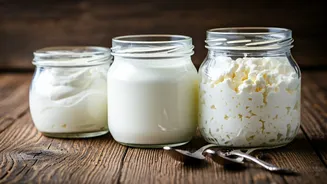
anyone looking to increase their protein intake, particularly for weight management. Its thick, creamy texture and slightly tangy flavor profile set it apart from other similar products. The high protein content also contributes to its satiating effect, helping you feel fuller for longer, which can be a key factor in weight control. It is made by culturing skim milk with live active cultures, then straining away the whey to create a thick, creamy consistency. This process concentrates the protein, making it a nutritional powerhouse for those seeking to boost their protein intake.
Greek Yogurt's Appeal
Greek yogurt holds its own as a fantastic source of protein. It offers a balance of creaminess and nutritional benefits. The creamy consistency is achieved through a straining process that removes whey, resulting in a thicker yogurt with a higher protein concentration than regular yogurt. While not as protein-dense as skyr, Greek yogurt still provides a significant amount of protein per serving. Its versatility shines through in various culinary applications, as it can be used in both sweet and savory dishes. The tanginess often complements various flavors, making it a favorite for many. Its protein and probiotics make it a smart choice for those seeking to enhance their diet.
Curd: Digestible Delight
Curd, often favored for its ease of digestion, is a popular choice for everyday comfort. Its gentle nature makes it a good option for those with sensitive stomachs. Curd is created by curdling milk with an edible acidic substance like lemon juice or vinegar and then straining it to form a soft, moist texture. While its protein content may not be as high as skyr or Greek yogurt, curd still provides a moderate amount of protein alongside other essential nutrients. The simple preparation and milder flavor make it accessible for many, often enjoyed as a refreshing addition to meals or as a light snack. Its digestibility is a key advantage, making it a good choice for those who are particularly sensitive to dairy.
Making: Simple Processes
Each of these dairy products gets its unique texture and nutritional profile from slightly different production methods. Skyr, for instance, undergoes a straining process after culturing skim milk, resulting in a thick, concentrated protein source. Greek yogurt follows a similar path; the extra straining removes excess liquid, concentrating the protein and creating a thicker texture. Curd, on the other hand, is made by curdling milk, a process that is often accelerated with the addition of acid. This simple preparation gives it a soft texture that is easily digestible. The different methods impact both the texture and the nutritional content of the final product, but the core process remains the same.
Taste and Texture
The sensory experience of these dairy options differs greatly, giving consumers a wide range of options. Skyr has a thick, almost custard-like texture, with a slightly tangy flavor. Greek yogurt also has a creamy, thick texture, though it can vary slightly depending on the brand. Its taste is usually more tart. Curd, however, has a softer, more delicate texture, often with a mild flavor profile that is pleasantly refreshing. These variations in taste and texture stem from different production methods and the cultures used, which contribute to the unique appeal of each product. Whether you prefer the richness of skyr, the versatility of Greek yogurt, or the refreshing simplicity of curd, there is a choice to satisfy every palate.
Choosing Wisely
The optimal choice among skyr, Greek yogurt, and curd hinges on your specific health goals and personal preferences. If maximizing protein intake is your primary concern, skyr is the clear winner. Its high protein content provides an efficient way to support muscle growth and weight management. Greek yogurt is an excellent all-around option, providing a great balance of protein, probiotics, and versatility. It suits those looking for a flavorful and nutritious choice for various meals and snacks. Curd’s easy digestibility makes it the go-to option if you have a sensitive stomach or are simply seeking a light, comforting dairy choice. Ultimately, the best choice depends on what your body needs.