





The Soft Cookie Secret
Many home bakers aspire to create cookies with the same incredibly tender texture found in commercially produced treats. While visually appealing and delicious,
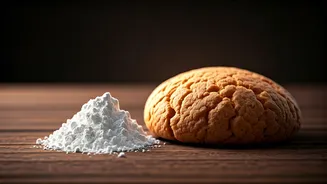
achieving that delicate crumb that still holds its form can be a culinary challenge. The key to this delightful contrast between softness and structure lies in an often-overlooked pantry ingredient: cornstarch. This versatile powder, typically associated with thickening sauces or adding crispness to fried foods, plays a pivotal role in cookie baking by mitigating the development of gluten, the protein network in flour that contributes to toughness. By introducing a small quantity of cornstarch into your cookie dough, you effectively inhibit the formation of excessive gluten strands. This intervention results in cookies that are noticeably softer, possess a finer crumb, and have an overall more delicate mouthfeel, all while retaining their desired cookie shape and integrity.
Cornstarch vs. Flour
The fundamental difference between cornstarch and flour in baking boils down to their composition, particularly their protein content. Flour, a staple in most baked goods, is rich in proteins that, when hydrated and mixed, form gluten. Gluten development is crucial for the structure of many baked items, but in cookies, too much gluten leads to a tough and chewy texture rather than the desired softness. Cornstarch, conversely, is derived from corn and contains virtually no protein. When added to cookie dough, its primary function is not to build structure but to interfere with and limit the formation of gluten from the flour. This absence of protein means cornstarch doesn't contribute to the toughening process. Therefore, incorporating just a few tablespoons of cornstarch into your cookie recipe acts as a powerful moderator, ensuring that the gluten network remains underdeveloped, thereby guaranteeing a tender crumb and a soft, delightful cookie experience.