



Reflect on Past Growth
Before the first seed is sown, take a thoughtful look back at your previous gardening season. This retrospective analysis is crucial for identifying what
worked well and what needs improvement. Consider the impact of frost dates on your crops; understanding historical frost patterns can help you better prepare with protective coverings or adjust planting times. Evaluate the sun exposure each area received – were shade-loving plants scorched, or did sun-worshippers get enough light? Assess air circulation to prevent disease and pest issues; denser planting might look appealing but can lead to problems. Implement crop rotation by noting where specific families, like nightshades, were planted to avoid replanting in the same spot, which significantly reduces soil-borne diseases and nutrient depletion. Finally, think about your garden's ecosystem: did you incorporate plants that attract beneficial insects and pollinators, essential for the successful fruiting of many vegetables? Creating a welcoming environment for these allies can naturally manage pests and boost yields.
Stocking Up Essentials
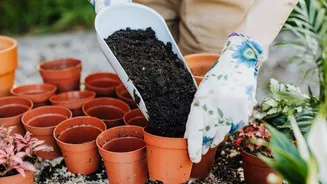
With your review complete, it's time to gather everything you'll need for the upcoming season. Begin by assessing your seed collection from the previous year. Many vegetable seeds retain their viability for multiple seasons, so test them for germination by placing a few in water; any that float are likely past their prime. Beyond seeds, check your inventory of soil amendments, compost, fertilizers, and potting mixes, replenishing anything that's depleted. Don't forget practical garden accessories like row covers and weed mats that may need replacing. If you plan to start seeds indoors, ensure you have adequate seed-starting mix, trays with clear domes, grow lights, and a reliable watering can. Investing in heat mats can also significantly improve germination rates for certain seeds. Lastly, inspect all your gardening tools and equipment. Clean, sharpen, and repair any tools that need attention. Perform necessary maintenance on power equipment like rototillers. Check the integrity of garden structures such as raised beds, trellises, stakes, and fencing, making repairs or replacements as needed now to avoid last-minute rushes.
Strategic Seed Selection
Once you've inventoried your existing seeds and identified what needs to be purchased, it’s time to select your new additions. While the allure of endless seed catalogs is tempting, it’s best to focus on varieties proven to thrive in your specific climate and growing conditions. Consider introducing a new type of tomato or a unique vegetable to add variety, but always keep your available space in mind. For example, while pumpkins are a delight to grow, their sprawling vines can consume a considerable amount of ground, so plan accordingly. Many garden centers and larger retail stores begin displaying seeds as early as February, offering a wide selection. Additionally, community resources like libraries often provide free seed exchanges, which can be a great way to acquire diverse options. When selecting, aim for seeds that align with your gardening goals, whether that's maximizing yield, trying new flavors, or experimenting with different plant types, ensuring a successful and satisfying growing experience.
Crafting Your Planting Blueprint
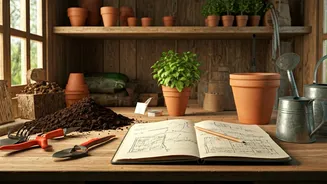
Adequate spacing is paramount for a healthy garden, and it’s a common pitfall for beginners to overcrowd their plots. Freshly dug soil can create an illusion of vastness, leading to plants being placed too close together, which compromises their growth and invites disease. This is particularly true for vining plants like tomatoes, cucumbers, and squashes. To avoid this, create a scaled drawing of your garden layout, meticulously planning the placement of each crop. This plan should also incorporate crop rotation principles and consider the specific needs of each plant. If you use raised beds, mapping out what fits best in each bed is essential. Marking out planting areas with chalk or stakes and twine can be helpful. Seed packets provide recommended spacing details, but you can also find this information from cooperative extension services or libraries. For climbing plants, consider installing trellises or fencing early on; encouraging vertical growth dramatically increases usable space. Interplanting, the practice of pairing complementary crops based on their needs and harvest times, is another effective strategy for maximizing yield and efficient space utilization.
Nurturing Early Starts
Cultivating your own seedlings from seed offers significant cost savings and the satisfaction of nurturing plants from their earliest stages. In an era of rising produce prices, growing your own transplants can be especially rewarding. With a dedicated grow stand and lights, you can establish a miniature nursery almost anywhere indoors, including a basement or a sunny windowsill. Many vegetables and herbs, such as tomatoes, peppers, and cole crops, benefit immensely from an early start indoors, giving them a crucial advantage before the outdoor growing season begins. To determine the optimal timing for starting your seeds indoors, consult the 'days to harvest' information typically found on seed packets. This guideline will help you calculate when to sow your seeds, usually ranging from two to ten weeks prior to your area’s average last frost date, depending on the specific vegetable's maturity rate.