





Counterfeit Product Bust
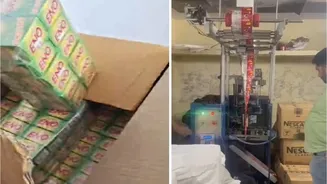
A significant crackdown has occurred in Delhi, where authorities have dismantled two illicit manufacturing facilities responsible for producing a large
volume of counterfeit consumer goods. The operation resulted in the seizure of an astonishing quantity of fake products, specifically over 1 lakh sachets of a popular antacid brand and an additional 50,000 sachets of a well-known coffee brand. This discovery underscores a concerning trend of adulterated and fake food items circulating in the market, posing potential health risks to unsuspecting consumers. The raid also uncovered crucial evidence of the operation's scale, including filling machinery, raw materials, and extensive packaging supplies meticulously designed to mimic authentic products. This organized effort suggests a widespread intention to distribute these fraudulent items across local markets, highlighting the sophisticated nature of such illegal enterprises and the constant vigilance required from regulatory bodies to protect public well-being.
The Pervasive Fake Coffee Market
The issue of counterfeit coffee is not an isolated incident; it represents a substantial problem within the Indian economy, contributing to an estimated economic loss of Rs 1 lakh crore. This persistent market for fake or adulterated coffee is fueled by a combination of high consumer demand and escalating prices of genuine coffee beans. Globally, manufacturers have been known to use unconventional and sometimes hazardous substitutes like soybeans or corn to stretch their coffee products. In India, however, common adulterants found in coffee include clay and chicory powder. Chicory powder, derived from the roasted root of a flowering plant, possesses a flavor profile that can be confused with coffee, offering a slightly woody, nutty taste with a mild bitterness. The widespread use of such fillers not only deceives consumers but also potentially alters the nutritional and health aspects of the product, making it crucial for consumers to be aware of these practices and take measures to ensure product authenticity.
Simple Coffee Purity Tests
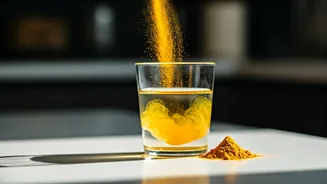
The Food Safety and Standards Authority of India (FSSAI) has provided consumers with straightforward methods to conduct at-home tests for common coffee adulterants, specifically clay and chicory powder. These tests are designed to be easily performed using basic household items. For detecting clay adulteration, one can begin by taking a glass of water and adding approximately half a teaspoon of coffee powder. After allowing it to sit for about five minutes, observe the bottom of the glass. Genuine, unadulterated coffee will not leave any sediment. Conversely, the presence of clay will result in a noticeable layer of sediment at the bottom, indicating the coffee has been mixed with this impurity. This simple visual check can offer immediate insight into the coffee's composition.
Chicory Detection Method
To identify the presence of chicory powder in coffee, another simple yet effective test can be carried out using water, as recommended by the FSSAI. Similar to the clay test, start by taking a glass of water and adding about half a teaspoon of the coffee powder in question. After waiting for approximately five minutes, the behavior of the coffee on the water's surface will reveal its purity. Unadulterated coffee typically floats on the surface and then gradually dissolves into the water. However, if the coffee has been mixed with chicory powder, it will also float but will tend to dissolve at a noticeably faster rate. This difference in dissolution speed is a key indicator of adulteration, allowing consumers to make a quick assessment of their coffee's integrity before consumption.
Consumer Vigilance & Reporting
Beyond these simple tests, FSSAI emphasizes the importance of overall consumer attentiveness when purchasing packaged food items. It is vital to meticulously check product labels for the expiry date and the manufacturer's license number before making any purchase. In situations where a product exhibits an unusual taste or texture, consumers are strongly encouraged to report these concerns immediately to the nearest relevant authorities or food safety officers. Raising awareness within the community and taking the initiative to report suspicious products plays a crucial role in driving positive change and safeguarding public health. Similarly, for products like antacids, any unusual odor or altered taste should be promptly reported to consumer forums and the concerned authorities without delay, ensuring that potential risks are addressed efficiently.