



Understanding Seat Divorce
Air travel, often a source of stress, can be particularly taxing for couples managing packed schedules and family logistics. Imagine a scenario after a long
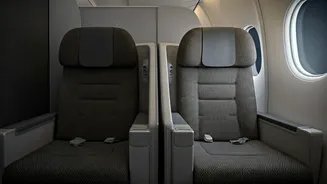
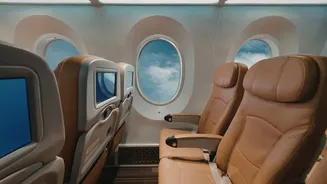
day, where exhaustion is high, and the thought of an intimate "deep talk" at 35,000 feet feels overwhelming. This is where the concept of 'seat divorce' emerges. It's not a reflection of relationship discord, but rather a deliberate choice by partners to select separate seating arrangements mid-flight. This allows each individual the crucial quietude and personal space needed to decompress, whether by sleeping, enjoying a movie, or simply zoning out. Many couples find that this deliberate separation, far from creating distance, actually enriches their overall travel experience and enhances their time together once they reach their destination, leading to more enjoyable interactions and a stronger emotional bond upon arrival.
The Rise of Separate Seating
While societal norms often suggest togetherness equates to closeness, couples are increasingly embracing 'seat divorce' as a pragmatic and even affectionate approach to travel. The traditional expectation of sitting shoulder-to-shoulder on planes can sometimes lead to superficial displays of intimacy rather than genuine connection. Couples might rearrange seats, negotiate for better spots, only to spend the flight engrossed in their devices. 'Seat divorce' flips this script, enabling partners to select their preferred seating—be it an aisle or a window—without the discomfort of being sandwiched in a middle seat or enduring cramped conditions. This is particularly beneficial for those who find middle seats physically uncomfortable. Similar to the concept of 'sleep divorce,' where separate rooms enhance rest, partners report that physical separation during air travel positively impacts the quality of their time together post-flight, fostering a more refreshed and connected state.
Boosting Relationships Through Space
Therapists are beginning to validate what many couples are discovering organically: the benefits of personal space in maintaining healthy relationships. Family therapist Tawanna Marie Woolfolk notes that our culture often pressures couples to display their connection through constant physical proximity, leading strangers to intervene and offer seat swaps when partners sit apart. However, this reflects a societal discomfort with intimacy that isn't overtly performed. Relationship expert Dan Auerbach explains that prolonged proximity can sometimes lead to a dulling of connection, where partners become background noise to each other. In contrast, couples practicing 'seat divorce' often report more intentional interactions. Brief check-ins, sharing movie recommendations, or laughing over snacks become more meaningful moments of deliberate connection than hours of passive co-presence, ultimately fostering a deeper and more appreciated bond.
Practical Perks of Personal Space
There are numerous practical advantages to adopting 'seat divorce,' especially given the often challenging nature of modern air travel, characterized by cramped seating, delays, and general chaos. Ensuring both partners secure their preferred seat—window for views or aisle for easy movement—significantly enhances comfort, particularly on extended journeys where personal space is at a premium. Beyond physical comfort, the emotional benefits are substantial. The ability to disconnect, relax, and recharge independently, free from the pressure of 'performing' as a couple, allows individuals to manage their energy effectively. This isn't about creating distance in the relationship; rather, it's a conscious decision to protect personal well-being so that one can be more present, patient, and affectionate upon arrival, leading to a more positive shared experience.
Communication and Balanced Partnership
For 'seat divorce' to be successful, open communication and mutual understanding between partners are paramount. It's not an act of avoidance but a deliberate respect for each other's individual needs and preferences. Couples who practice this often discuss their seating desires beforehand—identifying who might need more legroom, who experiences anxiety during flights, or who strongly dislikes the middle seat. This clear dialogue builds trust, as decisions are made collaboratively. Fundamentally, 'seat divorce' emphasizes balance. When one partner consistently sacrifices their comfort or endures undesirable conditions, it can subtly imbalance the relationship. By allowing each person to reclaim their space and prioritize their comfort, the partnership becomes more equitable and respectful, fostering a stronger foundation for shared experiences, both in travel and in daily life.
Personal Space: A Relationship Asset
Contrary to concerns that 'seat divorce' might signal relationship trouble, many couples report that allocating personal space during travel actually enhances their mutual appreciation. When not contending for armrests or dealing with minor spatial conflicts, individuals arrive at their destination feeling more relaxed, refreshed, and inclined towards generosity. This shift in their personal state profoundly influences the overall tone and enjoyment of the trip. Essentially, 'seat divorce' signifies a broader evolution in how couples conceptualize intimacy. It moves beyond mere physical closeness to encompass emotional attunement, transparent communication, and a profound respect for individual boundaries. By embracing personal space, couples can cultivate a relationship that is both deeply connected and resilient.