




Coffee's Liver-Boosting Power
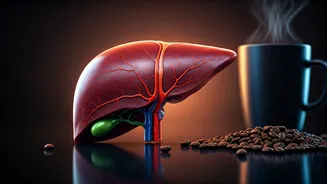
Emerging research highlights a significant link between regular coffee consumption and reduced risk of serious liver conditions. Studies indicate that
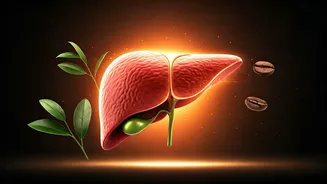
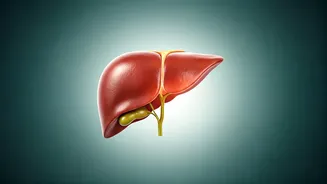
individuals who regularly drink coffee may experience approximately a 35% decrease in the likelihood of developing significant liver fibrosis, a condition characterized by scarring of the liver. Furthermore, the risk of developing liver cancer can be nearly halved, by about 50%, when compared to those who do not consume coffee. This remarkable protective effect is attributed to specific compounds found in coffee that actively combat liver damage and disease progression. While the exact mechanisms are complex, the evidence strongly suggests that coffee, when consumed appropriately, can play a beneficial role in maintaining liver function and health.
Optimal Consumption Habits
To harness the full potential of coffee for liver health, mindful consumption is key. Experts suggest aiming for at least two to three cups per day, recognizing that the benefits are often dose-dependent. For those who can tolerate it well, consuming three or more cups daily is considered reasonable and can contribute positively to liver well-being. The recommended daily caffeine intake that aligns with these benefits is approximately 300 mg, which typically equates to three standard cups of coffee. It's important to note that while more isn't always better, strategic and consistent intake within these guidelines appears to be most effective for supporting liver function and reducing the risk of associated diseases.
Bean and Roast Selection
The type of coffee beans and the roasting process significantly impact the beneficial compounds present in your brew. Arabica beans are generally preferred over Robusta varieties because they contain a higher concentration of polyphenols and chlorogenic acids (CGAs), potent antioxidants known to safeguard liver cells. These antioxidants play a crucial role in mitigating oxidative stress and protecting against cellular damage within the liver. When it comes to roasting, medium roasts are recommended. Dark roasting can lead to the thermal degradation of these valuable CGAs, diminishing their protective qualities. Therefore, opting for medium-roasted Arabica beans ensures that more of these liver-friendly antioxidants are preserved in your coffee.
Brewing for Purity
The method you use to prepare your coffee can also influence its impact on your liver, particularly concerning cholesterol levels. Filtered coffee, especially when using paper filters, is considered the safest daily choice. Paper filters are effective at trapping cafestol and kahweol, two compounds naturally present in coffee that have been shown to potentially raise cholesterol levels. By removing these compounds, filtered coffee minimizes this particular risk. Additionally, the nuances of brewing, such as the coffee-to-water ratio (ideally between 1:15 and 1:17), water temperature (between 92–96°C), grind size, and brewing time, all contribute to the final composition and quality of the beverage.
The 'Black' Advantage
When it comes to maximizing the liver benefits of your coffee, simplicity in preparation is often the most effective approach. It is strongly advised to drink your coffee black, or as close to black as possible. While flavored coffees and those loaded with sugar, cream, or syrups can be appealing, they often detract from the inherent health advantages. The added sugars and fats in these elaborate concoctions can counteract the positive effects coffee might otherwise have on liver health. Therefore, embracing a straightforward, black coffee is the most direct way to ensure you are reaping the full spectrum of benefits coffee offers to your liver.
Understanding the Mechanism
The liver-protective properties of coffee stem from a variety of bioactive compounds working synergistically within the body. Chlorogenic acid, for instance, is instrumental in reducing oxidative stress and diminishing fat accumulation in the liver. Caffeine plays a role by inhibiting stellate cell activation, a process that can lead to liver scarring or fibrosis. Furthermore, melanoidins and other polyphenols present in coffee contribute to reducing inflammation within the liver. Collectively, these components actively work to counteract detrimental processes that can lead to liver disease. It is crucial to remember, however, that coffee is not a magical cure and cannot compensate for an unhealthy diet or poor lifestyle choices.
Holistic Liver Care
While coffee can undeniably offer support for liver health, it is essential to view it as one component within a broader framework of well-being. Nutritionists emphasize that maintaining optimal liver function is never about a single food or habit. Factors such as consistent blood sugar management, adequate intake of protein and fiber, regular physical activity, sufficient sleep, effective stress management, moderation in alcohol consumption, and maintaining a healthy body composition are all critical. Coffee can certainly complement these fundamental aspects of a healthy lifestyle by providing additional protective benefits, but it cannot replace the foundational pillars of good health that are vital for long-term liver vitality.