





Embracing Solo Living
Choosing the single life often opens up a world of possibilities. One of the main benefits is the freedom to design your life on your terms. Solo living
allows for the development of greater self-awareness, allowing you to tune into your needs and desires. You can establish routines that fit your lifestyle, whether it's an early morning workout or a late-night hobby. This independence is a springboard to self-discovery, where you can explore passions without compromise and foster a deeper relationship with yourself. Singlehood also offers more time for travel, pursuing creative endeavors, and building a strong foundation of self-reliance, all of which contribute to an enriched and fulfilling existence. Moreover, single individuals can often spend more time on their careers and build a more stable financial position, leading to increased stability and satisfaction.
Self-Discovery's Foundation
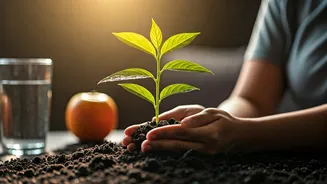
Singlehood is a natural catalyst for self-discovery because it demands that you become your own primary companion. Without the constant companionship of another person, you're compelled to spend time alone, which in turn leads to deeper introspection. This process encourages you to identify your values, strengths, and weaknesses, which is the cornerstone for building a strong sense of self. It provides an avenue to explore your likes and dislikes, and to better understand your emotional landscape. This heightened self-awareness is invaluable. It informs your choices and enables you to make decisions that resonate with your authentic self. The freedom to engage in activities you genuinely enjoy also contributes to a greater sense of purpose, satisfaction, and self-acceptance, forming a solid foundation for personal growth and fulfillment.
Building Meaningful Connections
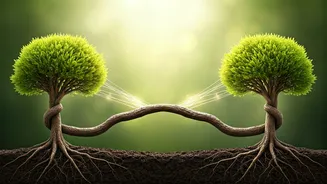
Contrary to common misconceptions, single life does not mean isolation. It presents a unique opportunity to build strong, meaningful relationships. Without the daily focus of a romantic partner, single individuals have more time and energy to invest in friendships, family, and community. This enables the cultivation of deeper and more diverse connections. Because there is often less pressure to divide your time between a partner and social circles, single people often find that their friendships flourish. This is because they can commit more fully to shared activities and experiences. It is also an avenue to explore new interests and passions with different groups of people, thereby expanding social networks and enriching life. In addition, the focus shifts from a central relationship to a broad range of connections. This allows for a support system that is resilient and diverse, capable of providing companionship, advice, and camaraderie.
Contentment in Solitude
Achieving contentment as a single person requires a conscious effort to cultivate self-love and self-sufficiency. It involves creating a life that is fulfilling and enjoyable, independent of external validation. One key step is to establish routines that bring joy and reduce stress, whether it's through exercise, hobbies, or spending time in nature. Learning to enjoy your own company is essential. You can start by planning activities you enjoy, from reading a book to taking a weekend trip. Another key factor is practicing gratitude and acknowledging the positive aspects of your life. This can be as simple as writing down things you are thankful for each day, which helps to shift your focus from what you lack to what you have. Embracing solitude as a source of strength is one of the most significant steps toward finding true contentment. This leads to a life filled with purpose and self-acceptance, and allows for authentic joy.
Overcoming Loneliness
Loneliness is a challenge many single people face, but it can be overcome with awareness and action. The first step is to recognize the feeling. Once you understand the origin of the feeling, you can begin to counteract it. Actively cultivating a social life is crucial. This could mean joining clubs or organizations related to your interests, participating in community events, or simply reaching out to friends and family. Furthermore, establishing a healthy balance between solitude and socialization is important. It is essential to develop self-soothing strategies, such as meditation, listening to music, or practicing mindfulness. Developing a routine to connect with others, whether it's regular phone calls, or video chats, can provide a sense of connection and reduce feelings of isolation. Remember that loneliness is often a temporary state, and with conscious effort, you can build a network and find the joy and connection you desire.
Self-Care & Well-being
Self-care is a crucial element for single people, as it serves as a foundation for well-being and personal growth. It involves intentionally prioritizing your physical, mental, and emotional health. Simple practices like getting enough sleep, eating a balanced diet, and engaging in regular exercise can significantly improve your overall quality of life. Making time for activities you enjoy, such as reading, listening to music, or pursuing hobbies, is equally important. Emotional well-being can be nurtured through practices like meditation, journaling, or spending time in nature. Developing a self-care routine provides structure and reinforces the importance of self-love and respect. This ultimately builds resilience and enables you to navigate life's challenges with greater ease and confidence. Singlehood provides the time to develop these routines.