

Solar Storm Triggers
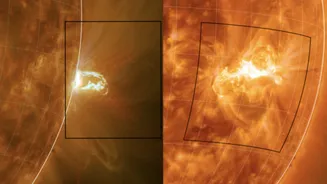
The captivating dance of the auroras is a direct consequence of the sun's dynamic behavior. When the sun unleashes powerful bursts of energy, such as coronal
mass ejections (CMEs) or high-speed solar wind streams, these phenomena travel across space. Upon reaching Earth, these charged particles interact with our planet's magnetic field, a process that can trigger geomagnetic storms. The intensity of these storms, often categorized by indices like the Kp-index, directly correlates with the potential for vibrant auroral displays. Reports indicate that minor geomagnetic storms can lead to auroras, while even stronger events, like G3 or G4 storms, can push the visibility of these lights to much lower, mid-latitudes. For instance, a significant CME arrival on December 31-January 1, or a G4 storm on May 31, demonstrates the powerful influence of such solar events on aurora visibility, sometimes making them visible even in places like New York or Italy. Understanding these solar triggers is key to predicting when the skies might light up.
Aurora Visibility Factors
The spectacle of auroras isn't just about solar activity; several Earth-bound factors determine whether you'll witness them. Geographic location plays a crucial role, with auroral displays predominantly gracing higher latitudes, closer to the planet's magnetic poles. While often confined to these northern and southern regions, exceptionally strong geomagnetic activity can extend visibility to mid-latitudes. For example, reports frequently mention auroras being confined to high latitudes on days with quieter geomagnetic activity, such as January 9 or February 25. Conversely, powerful storms, like the one on December 30-31, can bring the lights much further south. Beyond latitude, local conditions like clear skies and minimal light pollution are essential for optimal viewing. Dates like November 13, when strong geomagnetic storms were anticipated, or April 15, with good aurora prospects, highlight the dynamic interplay between solar events and terrestrial conditions. Even during periods of waning activity, such as May 19, a glancing solar storm might still offer a fleeting chance to see the aurora.
Forecasting Aurora Displays
Predicting aurora activity involves closely monitoring space weather, with forecasts often issued for specific dates and weekends. These predictions help aurora enthusiasts plan their viewing. For instance, an aurora forecast on May 1-3 indicated that northern lights activity might linger before fading, while other forecasts for weekends suggested a possible boost in activity due to incoming solar winds or coronal holes. Some reports highlight specific dates with high chances of auroras, such as January 6, December 23, and March 4, often specifying that visibility would be best at high latitudes. Conversely, other forecasts indicate quiet periods, like March 17 or January 26, where auroras were expected to remain subdued or confined to polar regions, but with potential for future activity. The recurring mention of 'fast solar wind' and 'CME arrival' in forecasts, such as on August 18 or November 12, underscores their importance in driving aurora displays. These forecasts aim to provide timely information, like the alert for a severe G4 geomagnetic storm on May 31, enabling people to prepare for these natural light shows.






![OTT releases of the week [May 25-May 31] : What’s new releasing on Netflix, JioHotstar and more?](https://g-mob.glance-cdn.com/public/fc/image/HmKGDv-xXR10.webp)