





The Ageing Advantage
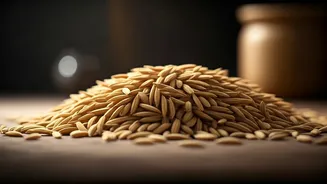
The distinctiveness of aged basmati rice stems primarily from the careful ageing process it undergoes. This period allows the rice to lose some of its
inherent moisture, leading to a significant alteration in its starch composition. Consequently, the grains become less prone to clumping when cooked, resulting in a fluffier, more separated texture. This structural metamorphosis is what differentiates it from freshly harvested rice, which typically cooks up softer and tends to stick together, offering a less refined eating experience.
Nutritional Stability
Contrary to popular belief, the ageing of basmati rice does not dramatically enhance its core nutritional profile. The fundamental vitamins and minerals remain largely unchanged throughout this period. However, the physiological impact of aged rice is altered due to its reduced water content and restructured starch. These changes can subtly influence how our bodies process the carbohydrates, potentially offering advantages in metabolism and absorption.
Digestive Ease
For a considerable number of individuals, aged basmati rice proves to be more accommodating to their digestive systems. It is generally considered easier to digest than freshly milled varieties. This is often attributed to its potentially lower glycaemic index, meaning it may induce a more gradual increase in blood sugar levels post-consumption. This characteristic makes it a potentially more suitable option for those consciously managing their blood glucose or experiencing digestive sensitivities, though mindful portioning remains crucial.
Portioning and Balance
Despite its favourable attributes, it's important to acknowledge that aged basmati rice, like all refined grains, requires thoughtful consumption. It is still a refined carbohydrate, and therefore, portion control is paramount, particularly for individuals managing diabetes. Overconsumption can still lead to elevated blood glucose levels. Furthermore, a diet that heavily favors polished rice without a sufficient intake of whole grains, a variety of vegetables, and adequate fibre can compromise overall nutritional equilibrium and health.