



The Paratha Phenomenon
Anand Mahindra, a prominent figure in Indian industry, recently ignited a relatable discussion online by expressing his strong preference for paratha over
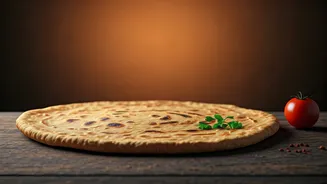
pizza. His sentiment, shared through a post showcasing the meticulous preparation of a giant paratha, resonated with many, including celebrities like Abhishek Bachchan. The image depicted a delectable paratha being expertly rolled, folded, and cooked on a large griddle, then sliced like a pizza and served with traditional accompaniments such as chutney, curd, and pickle. This simple yet profound culinary endorsement highlights the enduring popularity and cultural significance of this Indian staple, proving that sometimes, the most comforting flavors are closer to home.
What Exactly Is Paratha?
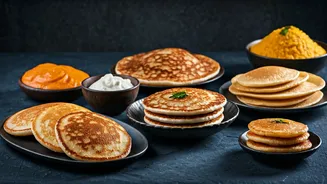
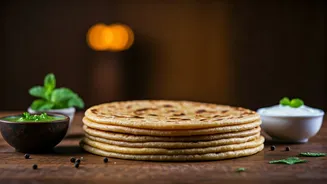
Paratha, a staple in Indian cuisine, is a golden-brown, flaky, and layered flatbread typically enjoyed for breakfast. Its name is derived from the words 'parat' and 'atta,' signifying layered dough made from flour. Crafted from whole wheat flour and often cooked in ghee, this versatile bread can be shaped into round, triangular, or square forms. Parathas are frequently filled with a variety of ingredients, including mashed potatoes, cauliflower, garlic, ginger, chili, paneer (Indian cottage cheese), or radish. They are commonly served alongside pickles, yogurt, homemade chutneys, or various meat and vegetable curries. In Punjab, a traditional pairing is lassi, a refreshing yogurt-based beverage. While its origins can be traced to Peshawar, Pakistan, paratha has become ubiquitous across India, available from street stalls to eateries. Its southern Indian counterpart is known as parotta. An interesting way to enjoy paratha is by rolling it into a tube and dipping it into tea.
The Comforting Charm
While pizza is undeniably addictive, parathas possess an even greater power to captivate and satisfy, making it difficult to stop at just one. This irresistible quality stems from its nature as an extension of roti, utilizing the same fundamental flour but enriched with spiced fillings. This familiar foundation, coupled with the warmth and heartiness of a well-made paratha, evokes a sense of home-cooked meals, naturally drawing people of all ages towards it. Its inherent comfort is deeply rooted in these associations, making it a go-to choice for a satisfying and nostalgic culinary experience. The simple yet profound pleasure derived from a warm, flavorful paratha underscores its status as a quintessential comfort food.
Endless Variety & Versatility
The appeal of paratha lies significantly in its incredible diversity and adaptability. With fillings ranging from classic aloo (potato) and paneer to gobhi (cauliflower) and pudina (mint), the options are virtually limitless. This means parathas can be customized to suit individual preferences, seasonal availability, or dietary requirements, making them appealing to a broad spectrum of eaters. Furthermore, paratha transcends mealtime boundaries. While commonly associated with breakfast, it is a versatile dish perfect for any time of day. Enjoyed with curd and pickle in the morning, a side of curry for lunch, a simple accompaniment to tea for an evening snack, or a bowl of raita for dinner, the paratha seamlessly integrates into diverse meal plans. A well-prepared paratha also offers a balanced nutritional profile, combining carbohydrates, fats, and often protein, which provides sustained energy and keeps hunger at bay, further solidifying its place as a filling and satisfying choice.