






Phased Lunar Construction
Nasa's strategy for constructing a sustainable lunar presence is meticulously divided into three distinct phases, each building upon the last with increasing
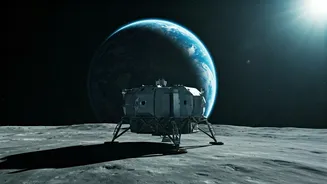
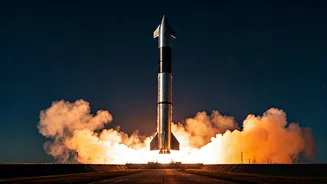
complexity and ambition. Phase 1, scheduled to conclude by 2029, encompasses 25 launches and 21 landings. The primary aim of this initial stage is to guarantee reliable access to the lunar surface and rigorously test the various critical systems required for future operations. Following this, Phase 2, spanning from 2029 to 2032, will involve 27 launches and 24 landings. This phase marks a significant step forward with the initiation of occasional crewed missions, preparing astronauts for longer-term stays. The culmination of this effort is Phase 3, which focuses on maintaining a continuous human presence. This final stage necessitates a greater volume of launches and landings, alongside the crucial development of advanced cargo-return capabilities, ensuring a self-sufficient and enduring lunar habitat.
South Pole Site Challenges
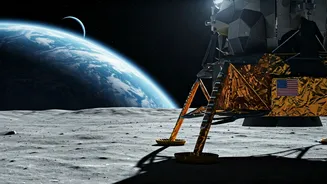
The proposed location for Nasa's lunar base is strategically situated near the Moon's south pole, a region markedly different from the Apollo landing sites of yesteryear. This chosen locale presents a unique set of environmental obstacles that demand innovative engineering solutions. Foremost among these is the perpetual low angle of the Sun, which casts prolonged, deep shadows, potentially hindering efficient power generation via conventional solar panels. Furthermore, this polar region experiences extreme temperature fluctuations, including frigid 'cold spots' and extended periods of darkness, posing significant challenges for habitability and operational continuity. Consequently, Nasa must engineer novel energy generation systems, potentially leveraging more advanced solar technologies or exploring the viability of nuclear power sources to ensure a stable and consistent energy supply for the base's survival and operations.
Technological Gaps & Risks
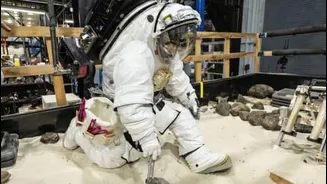
The realization of a permanent lunar base hinges on overcoming substantial technological deficits and mitigating unforeseen risks. The 'Moon Base User's Guide' highlights that crucial systems for precise lunar landings, along with robust hazard detection and avoidance mechanisms, are still in nascent stages of development and require significant advancement. Beyond the mechanics of landing and surface operations, the long-term survival of humans on the Moon presents a formidable set of challenges. The pervasive lunar dust, the physiological effects of reduced gravity, and exposure to relentless cosmic radiation are significant threats. Therefore, comprehensive life support systems, sustainable food production strategies, and tailored physical training regimens are paramount considerations that must be thoroughly addressed to ensure astronaut well-being and mission success.
Competitive Pressures & Funding
Nasa's ambitious lunar objectives are amplified by a pressing race against time and increasing global competition in space exploration. Other nations, notably China, have declared their intentions to establish lunar outposts and land astronauts by 2030, intensifying the drive for American preeminence. This external pressure is compounded by internal financial and schedule concerns. The Artemis missions have already incurred substantial costs, exceeding $100 billion, and have faced recurrent delays, missing initial target dates for crewed lunar landings. Adding to these complexities are potential budget constraints, with proposals suggesting significant reductions in Nasa's overall funding, which could jeopardize the timely execution of this monumental lunar construction project.