






Myth 1: Thicker Hair Growth
A persistent myth suggests shaving makes hair grow back thicker and darker. However, scientific understanding and expert opinions confirm this is untrue.
Shaving merely cuts the hair shaft at the skin's surface, leaving the root and follicle untouched. As the hair regrows, its blunt tip can create a sensation of stubbliness or a darker appearance, but it does not alter the hair's natural color, thickness, or the follicle's structure. Research indicates that the perceived change is purely a visual and tactile effect of the cut hair's edge, not a biological alteration. Your hair's inherent characteristics remain completely unchanged by the act of shaving.
Myth 2: Water is Enough
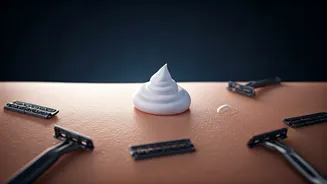
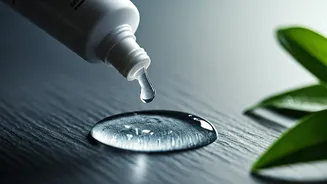
Many believe that water alone is sufficient for shaving, but this often leads to skin irritation and micro-abrasions. Skincare research highlights the critical role of shaving lubricants like creams or gels. These products act as a protective buffer between the skin and the razor blade, significantly reducing friction and preventing nicks and razor burns. They soften the hair, allowing the razor to glide more smoothly, thereby safeguarding your skin from discomfort and damage. Relying solely on water is not an adequate measure for a safe and comfortable shaving experience.
Myth 3: Eternal Razor Use
Continuing to use a dull razor is a common yet damaging practice. Old blades are significantly more likely to cause nicks, cuts, and irritation. For a consistently smooth and safe shave, it's essential to replace your razor or cartridge regularly. Fresh blades ensure a closer, cleaner shave and drastically reduce the incidence of razor bumps and ingrown hairs. Holding onto an old razor not only compromises your shaving results but also actively harms your skin, leading to discomfort and an increased chance of skin issues.
Myth 4: Frequent Shaving Speeds Growth
The notion that shaving more often causes hair to grow back faster is a long-standing misconception. Studies confirm that hair growth rate is primarily dictated by an individual's hormonal balance and genetic predispositions, rather than external grooming habits. Your shaving schedule has no impact on how quickly or densely your hair regrows. Therefore, you can shave as frequently as you desire without any concern about altering your hair's natural growth pattern.
Myth 5: Shaving Always Causes Ingrown Hairs
While shaving can lead to ingrown hairs, it's not an inevitable outcome of the act itself. The occurrence of ingrown hairs is largely a matter of shaving technique. By using a clean, sharp razor and consistently shaving in the direction of hair growth, you can significantly minimize the risk. Adopting proper shaving methods and paying attention to these details is crucial for achieving smooth, bump-free skin and avoiding the frustration of ingrown hairs.