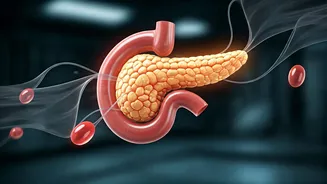







What is Ozempic?
Ozempic, a medication primarily designed for managing type 2 diabetes, has gained significant attention for its potent effect on weight loss. Its active
ingredient, semaglutide, works by mimicking a natural hormone that slows digestion and curbs appetite, leading to a feeling of fullness for longer durations. While beneficial for blood sugar control and facilitating substantial weight reduction, this rapid change can prompt the body into an unexpected reaction, affecting various bodily functions, including hair health, due to the significant physiological shifts it induces.
Body's Reaction to Change
When you experience swift weight loss, irrespective of the method, your body prioritizes its core survival functions. This means resources are redirected to vital organs like the heart and brain, leaving less crucial processes, such as hair growth, on the back burner. Furthermore, rapid weight reduction frequently results in nutritional deficiencies. A lack of essential nutrients like protein, iron, and vital vitamins can compromise the structural integrity and growth cycle of your hair, exacerbating shedding.
Telogen Effluvium Explained
The hair fall often associated with rapid weight loss, including that from Ozempic use, is commonly a condition known as Telogen Effluvium. This occurs when a significant physical or emotional stressor pushes a large number of hair follicles prematurely into the resting (telogen) phase of the hair growth cycle. Normally, only a small percentage of hairs are in this phase. However, under stress, a much higher proportion enters the shedding phase simultaneously, leading to noticeable thinning and increased hair fall, typically manifesting a few months after the initial trigger event.
Recognizing the Signs
Several indicators can signal that you might be experiencing Ozempic-related hair fall due to rapid weight loss. You may notice an increased number of hairs collecting in your brush or shower drain, often appearing in clumps. A general decrease in hair volume or a thinner ponytail can also be a clear sign. Some individuals observe more of their scalp showing through their hair than before. This shedding typically becomes apparent about two to three months after starting Ozempic or experiencing significant weight loss, as it takes time for the body's response to manifest.
Mitigating Hair Loss
While complete prevention might not always be possible, you can take steps to minimize the impact of shedding and support your hair's health. Ensure your diet remains balanced and nutrient-rich, even with a suppressed appetite; prioritize adequate protein intake, as hair is primarily composed of keratin. Pay attention to essential micronutrients like iron, zinc, and biotin, as deficiencies can worsen hair fall. Be gentle with your hair by avoiding tight hairstyles and excessive heat styling. Crucially, consult your doctor before making any changes to your medication or if the hair loss feels severe, as they can offer personalized advice and potential supplementation.
The Bigger Picture
The conversation around Ozempic and hair loss highlights a broader, often overlooked aspect of rapid physical transformations. While the results of such changes, like significant weight loss, are celebrated and widely shared, the accompanying challenges, such as temporary hair shedding, remain less discussed. This phenomenon isn't necessarily a sign of permanent damage but rather an indication that your body is adapting to substantial shifts. Understanding this perspective can alleviate anxiety, framing the experience as a temporary adjustment phase rather than a serious adverse reaction.