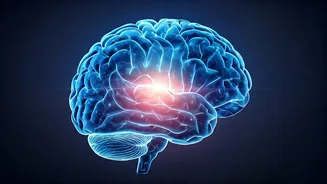







Epilepsy: Beyond Myths
International Epilepsy Day, observed annually on February 9th, serves as a crucial reminder that epilepsy remains one of the most poorly understood neurological
conditions worldwide. Despite significant advancements in medical science, deeply ingrained myths, widespread fear, and persistent stigma continue to overshadow a condition that is surprisingly common and, importantly, treatable. Dr. Naeem Sadiq, Medical Director at Plexus Neuro Centre, emphasizes that epilepsy is neither a mental ailment, a curse, nor something to be concealed. Instead, it is fundamentally a neurological disorder stemming from aberrant electrical activity within the brain. This condition can affect individuals across virtually all age demographics. While urban populations generally have better access to timely diagnoses and effective treatments for various illnesses, those in rural areas may still lean towards superstitions, traditional rituals, or spiritual practices instead of seeking professional medical care. Dr. Sadiq clarifies that epilepsy is neither contagious nor rare, and it does not impede a person's intellectual capabilities or inherent potential. With appropriate medical intervention, the vast majority of individuals diagnosed with epilepsy can indeed lead completely normal and productive lives, dispelling the notion that it severely limits one's future prospects.
Understanding Seizure Triggers
The onset of epilepsy can be attributed to a variety of factors, making it a complex condition to pinpoint. In some instances, genetic predispositions play a significant role, meaning there's a hereditary component to the disorder. Conversely, other cases may be linked to specific brain-related issues such as infections that have affected the brain, the presence of brain tumors, the aftermath of a stroke, or trauma from a head injury. Physiological imbalances like critically low blood sugar levels or high fevers can also precipitate seizures. Lifestyle factors such as a chronic lack of sleep or enduring extreme stress are also recognized as potential contributors. It's important to note that epilepsy can manifest at any point in life, from infancy to later adulthood. In regions like India, equitable access to healthcare is a critical determinant in managing the condition effectively. While city dwellers typically benefit from prompt diagnostic services and consistent medical treatment, individuals in rural communities might still be inclined to rely on age-old superstitions, cultural ceremonies, or religious interventions, often delaying or foregoing necessary medical attention. Understanding these diverse triggers is vital for both prevention and management.
Debunking Dangerous Myths
Several persistent myths surrounding epilepsy continue to inflict significant negative consequences on individuals and their families. One particularly prevalent and unfounded belief is that epilepsy is caused by vaccinations or certain drugs; this is demonstrably false. Another common misconception is that the disorder directly results from prolonged exposure to electronic screens. While flashing lights can indeed act as a trigger for some individuals with epilepsy, they are not the causal agent of the condition itself. The dangers escalate when superstitions influence actions during a seizure. Practices such as inserting metal objects into a person's mouth, forcibly restraining their movements, or attempting to administer food or water are extremely hazardous and can lead to severe injuries or fatal choking incidents. Dr. Sadiq stresses that the safest and most effective response during a seizure is to remain composed. Gently turning the affected person onto their side, loosening any constricting clothing around their neck, and allowing the seizure to naturally conclude are the recommended actions. Most seizures are self-limiting and typically resolve within one to two minutes.
When to Seek Help
Immediate medical attention is paramount if seizures occur repeatedly within a short timeframe. While it is estimated that a substantial majority, between 70 and 80 percent, of individuals who experience a single seizure do not go on to have another, obtaining a formal diagnosis is crucial for effective management and control of the condition through appropriate treatment. The success rates for managing epilepsy are remarkably high when the right interventions are in place. If patients receive suitable medication, such as antipyretics for fever-induced seizures, and adhere to maintenance therapy for a period of two to three years if deemed necessary, recovery and control rates can reach an impressive 90 percent. This underscores the importance of proactive medical engagement and adherence to prescribed treatment plans for achieving positive outcomes and preventing further complications.
Living a Full Life
Individuals diagnosed with epilepsy can absolutely lead fulfilling and normal lives, provided they receive comprehensive care and management. The pathway to effectively managing seizures and thriving involves five key pillars. Firstly, an accurate diagnosis is the cornerstone, followed by consistent adherence to prescribed medication. Secondly, ensuring adequate sleep and actively avoiding known triggers are vital for minimizing seizure frequency. Thirdly, while not a cause, managing screen time can be beneficial for some, reducing potential triggers. Fourthly, regular follow-up appointments with a neurologist are essential for monitoring progress and adjusting treatment as needed. Lastly, embracing a supportive lifestyle contributes significantly. With diligent attention to these aspects, individuals with epilepsy can pursue their ambitions, including engaging in higher education, maintaining employment, building families through marriage, and raising children. Epilepsy's persistence is often fueled by a lack of understanding; awareness, prompt intervention, and correct treatment dramatically alter the trajectory for those affected. The core message for International Epilepsy Day 2026 is unequivocal: epilepsy is manageable, treatable, and carries no inherent shame. Seeking guidance from neurologists rather than succumbing to misinformation is the most effective approach.