






Hunger Hormones Stabilize
Giving up ultra-processed foods for 60 days can dramatically recalibrate your internal hunger signals. Research indicates that these highly processed items
disrupt the natural production and reception of hormones like leptin and ghrelin, which are crucial for signaling satiety and hunger. Without the constant barrage of these foods, which can trick the brain into wanting more even when full, these hormones begin to function optimally. This stabilization means your body can better recognize when it's genuinely hungry and when it's satisfied, naturally curbing overeating and promoting a healthier relationship with food. This internal reset is a fundamental step towards long-term healthy eating habits.
Calorie Intake Declines Naturally
A significant outcome of a 60-day junk food hiatus is a spontaneous reduction in daily calorie consumption. Studies suggest that when individuals decrease their intake of ultra-processed foods by approximately half, they often shed an average of 612 calories daily without any conscious dieting efforts. This decreased caloric intake over two months naturally contributes to fat loss, helps maintain more consistent blood sugar levels, and significantly reduces the energy slumps and crashes commonly experienced throughout the day. It's a testament to how removing nutrient-poor, calorie-dense foods can lead to a more balanced energy profile.
Gut Microbiome Rebalances
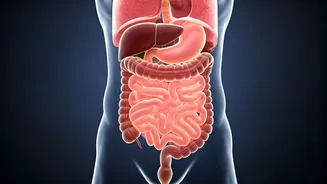
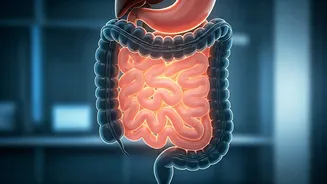
The elimination of junk food for an extended period of 60 days offers your gut microbiome a crucial opportunity to recover and rebalance. Ultra-processed items are notorious for disrupting the delicate ecosystem within your digestive tract, leading to inflammation and a reduction in beneficial bacteria diversity. By removing these detrimental foods, the gut lining can begin to repair itself. This environment encourages the proliferation of good bacteria, which in turn enhances digestion and nutrient absorption. A healthier gut also plays a vital role in bolstering the immune system and regulating mood, underscoring its far-reaching impact on overall health.
Metabolism Becomes Efficient
Reducing reliance on processed foods for 60 days can lead to a more efficient and regulated metabolism. Evidence suggests that consuming fewer processed items assists in better controlling appetite and metabolic functions, particularly benefiting older adults. Research indicates that limiting ultra-processed foods to less than 15% of one's daily caloric intake can promote natural weight loss and improve key metabolic indicators. Over this two-month period, your body can achieve a metabolic reset, leading to enhanced insulin sensitivity and a more stable, sustained energy supply throughout the day, reducing the metabolic roller coaster.
Brain Signalling Improves
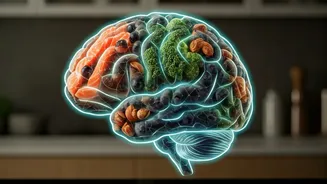
The impact of junk food extends to the brain, altering its signaling pathways and insulin sensitivity in as little as five days. This can affect memory and the brain's reward system. Medical experts have noted that such foods negatively influence how the brain processes insulin, a hormone critical for managing appetite and food intake. After a 60-day period free from junk food, the brain has a chance to recalibrate. This leads to enhanced focus, reduced compulsive cravings for highly processed snacks, and a more balanced regulation of appetite, demonstrating a profound neurological recovery.
Inflammation Levels Decrease
A sustained break from junk food for 60 days has a significant impact on reducing systemic inflammation within the body. Extensive reviews and meta-analyses consistently link the consumption of ultra-processed foods to increased inflammation, which is a known precursor to cardiovascular disease and various metabolic disorders. By adopting cleaner eating habits over two months, individuals can observe a notable decrease in inflammatory markers. This reduction often manifests externally as clearer skin, diminished bloating, and improved comfort in the joints, signaling a body that is healing and functioning with less internal stress.