


Mango Preparation
Begin by selecting two ripe, fragrant mangoes, the stars of this delightful pudding. Carefully peel their skin and then slice the luscious flesh into bite-sized
chunks. It's important to ensure you remove any tough, fibrous parts and the large central stone, setting aside the smooth, vibrant mango pieces. This meticulous preparation guarantees a wonderfully smooth and pleasant texture in your final pudding, free from any undesirable stringiness that can detract from the experience.
Blending the Base
Next, transfer the prepared mango chunks into a blender. Add a measured quantity of cold milk, precisely one and a half cups plus an additional four tablespoons, along with half a cup of sugar. For a truly smooth consistency and to ensure all ingredients are perfectly incorporated, blend this mixture on a high speed. The goal is to achieve a completely smooth, glossy, and lump-free paste. If, during the blending process, the mixture appears excessively thick, don't hesitate to add a little more milk to achieve a more fluid, easily blendable consistency.
Cooking the Puree
Pour the vibrantly blended mango and milk mixture into a heavy-bottomed saucepan or kadai. Place this vessel over a medium heat source and allow the mixture to gently warm. Stir it occasionally to prevent any sticking to the bottom. Bring the mixture to a soft, gentle boil, maintaining a steady simmer. This crucial cooking phase allows the sweet mango flavors to meld beautifully and softens any lingering raw taste, creating a more cohesive and delicious base for your pudding.
Cornflour Slurry
While the mango puree is simmering, prepare the cornflour slurry. In a separate small bowl, combine the cornflour with a portion of cold milk. Stir this mixture diligently and continuously, ensuring that all the cornflour is fully dissolved and no lumps remain. You're aiming for a smooth, thin liquid that can be easily poured. This step is absolutely vital for achieving a silken texture; any undissolved lumps of cornflour will result in a grainy pudding.
Thickening the Pudding
Once the mango puree has reached a simmering point and is heated through, begin to gradually incorporate the cornflour slurry. Pour it in slowly while continuously stirring the mixture. Continue to cook this combination over a low to medium flame, maintaining constant stirring, until the pudding begins to thicken noticeably. It should reach a consistency where it coats the back of a spoon. The ideal texture is pourable but not watery, and it will further thicken as it cools, so avoid overcooking.
Flavor Enhancement
As soon as the pudding has reached its desired thickness and you've finished cooking, switch off the heat. Carefully add just four to five drops of fresh lemon juice to the mixture. Gently stir to ensure the lemon juice is evenly distributed. This small addition of citrus is key to balancing the sweetness, brightening the overall flavor profile, and adding a refreshing, zesty nuance to the rich mango taste. Be cautious not to add too much, as excessive lemon can cause the milk to curdle.
Chilling and Setting
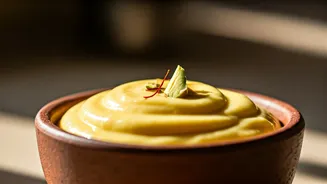
Transfer the warm, thickened mango pudding into your chosen serving bowls or individual ramekins. Allow these to cool down to room temperature, which typically takes about 15 to 20 minutes. Once cooled, cover each container with cling film, pressing it directly onto the surface of the pudding to prevent a skin from forming. Place the covered bowls in the refrigerator and let them set for a minimum of 1 hour. For a firmer, almost ice-cream-like consistency, you can opt to freeze them for about an hour as well.
Serving Suggestions
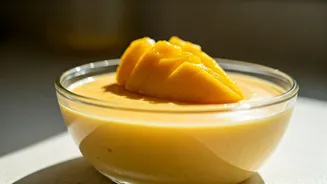
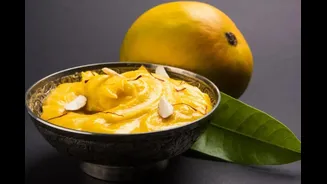
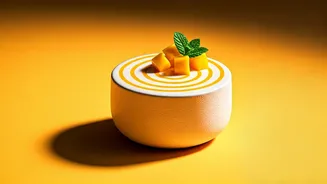
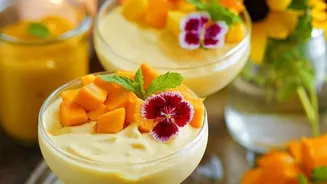
After chilling, the mango pudding will have achieved a beautifully smooth, slightly jiggly texture, characteristic of a perfectly set dessert. Remove it from the refrigerator just before serving. For an extra touch of elegance or flavor, you can garnish your pudding with a few fresh mango cubes or a swirl of whipped cream. This light, creamy, and exceptionally fragrant mango pudding is the ultimate reward, offering a delightful taste of summer with every spoonful.