






The Hidden Bed Culprits
While the morning ritual of making the bed often feels like a productive start to the day, it might actually be counterproductive for your health. When
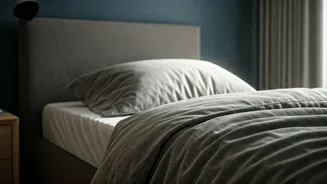
we sleep, our bodies naturally release a substantial amount of heat, sweat, and moisture into our bedding and mattresses. Making the bed right away, without allowing for any ventilation, effectively traps this dampness. This creates a warm, humid microclimate that is incredibly inviting for dust mites. These microscopic creatures, which feed on shed skin cells, thrive in such conditions. For many individuals, this proliferation of dust mites can lead to heightened allergy symptoms, including sneezing, nasal congestion, and skin irritation, compromising overall respiratory comfort and well-being.
Let Your Bed Breathe
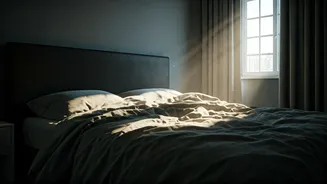
Instead of immediately smoothing out your sheets, experts propose a much simpler and healthier alternative: allow your bed to air out. By leaving your bed unmade for a period after waking, you enable it to 'breathe.' This crucial step allows trapped heat and moisture to dissipate, giving the sheets and mattress a chance to dry thoroughly. This drying process actively works to create an environment that is far less hospitable for dust mites to flourish. Over time, embracing this small habit can contribute to a noticeably cleaner and more hygienic sleeping space, ultimately enhancing your sleep quality and reducing exposure to allergens.
Simple Steps to Hygiene
Combating dust mites, which are a natural component of indoor environments, is largely about controlling moisture and warmth. Making your bed immediately can inadvertently lock in the very conditions these allergens need to multiply. For those prone to allergies, this can exacerbate symptoms like sneezing, congestion, or skin discomfort. Dr. Budhraja suggests a few straightforward adjustments to your morning routine for significant health benefits. These include pulling back the covers to expose the mattress and sheets to the air, opening windows or curtains to let in natural light, and crucially, waiting a recommended 20 to 30 minutes before making the bed. This waiting period allows sufficient time for moisture to evaporate. Additionally, maintaining consistent hygiene, such as washing your sheets weekly, further bolsters a cleaner sleep environment.