
A Novel Design
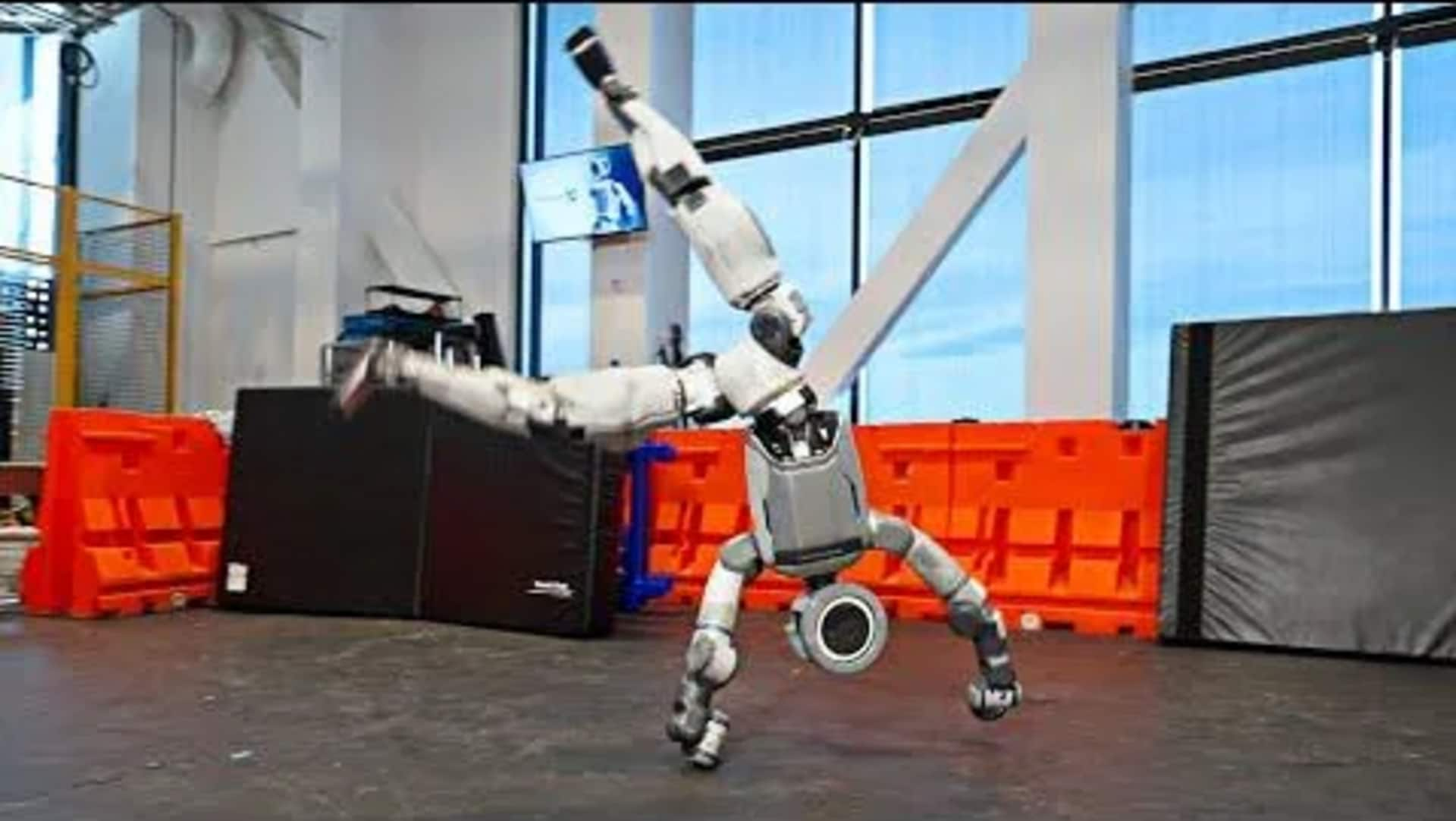
The skittering robotic hand represents a significant advancement in robotics, distinguished by its innovative design inspired by nature. Unlike traditional
robotic hands that rely on grasping, this hand utilizes a skittering motion, allowing it to move across surfaces and navigate obstacles in unique ways. Its small size, compact form factor, and lightweight construction contribute to its maneuverability in confined spaces. The hand's design incorporates flexible materials and articulated joints, enabling it to conform to irregular shapes and textures. This adaptability is particularly useful in environments where traditional robots struggle, such as in damaged infrastructure or hazardous environments. The robotic hand's design allows it to access areas that are inaccessible to human operators or other larger robots. This includes narrow gaps, cluttered spaces, or locations with hazardous conditions. This capability opens up new possibilities for exploration, maintenance, and rescue operations.
Motion and Agility
The skittering motion is a key feature of the robotic hand, providing it with remarkable agility. This motion is achieved through a combination of precisely controlled actuators and specially designed appendages. The hand employs a sequence of movements that allows it to 'skitter' or 'crawl' across surfaces. This movement is not only efficient but also enables it to overcome obstacles. The robotic hand can adjust its skittering pattern based on the terrain it encounters, allowing for continued navigation even in rough or uneven environments. The hand's agility is further enhanced by its ability to navigate around obstacles without needing to lift itself completely off the ground. This feature minimizes the risk of getting caught or entangled and enhances its ability to access narrow and complex areas. The hand's motion can be precisely controlled, allowing for delicate manipulations and precise positioning. This ability is crucial for tasks like inspection, repair, or retrieval of objects in challenging environments.
Applications Abound
The potential applications for the skittering robotic hand are vast and varied. In the field of infrastructure maintenance, the hand could inspect the interiors of pipes, ducts, or other confined spaces for damage or wear. This would eliminate the need for human entry into hazardous environments and allow for early detection of potential problems. In search and rescue operations, the robotic hand could be deployed to explore collapsed buildings or other disaster zones, searching for survivors or assessing the situation. Its small size and agility would be particularly advantageous in these scenarios. The robotic hand could also be used in manufacturing to perform tasks in areas that are inaccessible or dangerous for human workers. This might include assembly, inspection, or repairs in tight spaces. In the medical field, the robotic hand could be used for minimally invasive surgery. Its precision and small size would allow for more delicate procedures with less impact on the patient.
Future Developments
The development of the skittering robotic hand is an ongoing process with a focus on enhancing its capabilities and expanding its applications. Future advancements will likely include improved dexterity, allowing the hand to perform an even wider range of tasks. Researchers are exploring ways to increase the hand's payload capacity, allowing it to carry heavier tools or objects. Integration of advanced sensors, such as cameras and tactile sensors, would provide the hand with enhanced perception capabilities. This would enable it to gather more information about its environment and perform more complex manipulations. Researchers are also working on improving the hand's autonomy, allowing it to make decisions and navigate environments without human intervention. This would increase its efficiency and allow it to be used in remote or hazardous locations. The future of the skittering robotic hand holds immense promise, with the potential to revolutionize industries and improve safety in various aspects of life.