






A Harmonious Harvest
The India AI Impact Summit 2026 in New Delhi wasn't solely about the future of technology; it also featured a memorable gala dinner hosted by Prime Minister
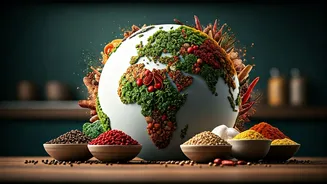
Narendra Modi for visiting world leaders. This elegant affair transformed the meal into a celebration of India's diverse culinary legacy, emphasizing seasonal ingredients and locally sourced produce. The curated menu was a tribute to the Shishir Ritu, the season marking the close of winter and the anticipation of abundant harvests, reflecting themes of hope and harmony. Chefs from the ITC group drew inspiration from this period, crafting dishes that highlighted the natural flavors of humble grains, indigenous spices, and the freshest regional produce. A significant focus was placed on Geographical Indication (GI)-tagged items, underscoring the unique agricultural heritage and specialized knowledge tied to specific Indian regions. The inclusion of millets and other native crops also brought attention to nutritious and climate-resilient food choices, aligning with a forward-thinking approach to food security and sustainability. This thoughtful selection ensured that every course offered a narrative of India’s deep-rooted connection to its land and its culinary traditions.
Vivid Beginnings
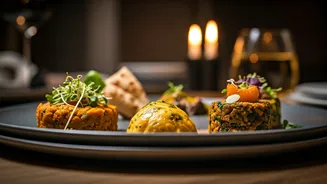
The gastronomic journey commenced with a visually striking appetizer named 'Varniila,' a term signifying 'Colourful and Vivid.' This starter offered a delightful interplay of textures and tastes, featuring crisp baby spinach leaves providing a fresh counterpoint to a delicate yoghurt sphere. A tangy tamarind-date chutney offered a sweet and sour balance, while a rustic jowar (sorghum) crunch added a satisfying textural element. The dish was further elevated by a cilantro infusion, carrying the distinct and aromatic flavors reminiscent of Old Delhi's culinary scene. This opening course set a high standard for the meal, immediately immersing guests in a nuanced and well-balanced flavor profile that hinted at the thoughtful curation to come.
Uttarakhand's Bounty
The main course, presented as 'Sasya' meaning 'Harvest – Produce of the Field,' was a profound tribute to the rich culinary landscape of Uttarakhand. This course was meticulously designed to showcase the best of India's winter harvest. The centerpiece of this ensemble was the highly acclaimed GI-tagged Munsyari Rajma Gilawat, renowned for its exceptionally creamy texture and distinct flavor profile. This exceptional kidney bean dish was accompanied by fragrant pahadi rice, a variety cultivated in the Himalayan foothills, and a flavorful jhangora pulao, prepared with barnyard millet. Adding another layer of regional authenticity were the Kumaoni aloo aur subz ke gutke, which are small portions of potatoes and mixed vegetables expertly tempered in mustard oil with aromatic local spices. A silken tomato-anari sauce, subtly blending the tang of tomatoes with the sweetness of pomegranate, elegantly tied all the elements of this robust platter together, offering a complete and authentic taste of the mountains.
Artisan Breads
Accompanying the main course were freshly baked breads, each representing a distinct regional specialty and adding a comforting, handmade touch to the dining experience. Among these was Taftaan, a soft, slightly leavened flatbread characterized by its airy texture and lightly sweet undertones, subtly studded with melon seeds which added a delicate crunch. Alongside Taftaan was Kashmiri Girda, a staple bread from the Kashmir Valley. Known for its distinctive appearance, Girda features a beautifully browned, slightly crisp surface that gives way to an incredibly tender and yielding crumb. The inclusion of these authentic breads provided a traditional and grounding element to the meal, perfectly complementing the rich flavors of the main course and offering guests a chance to experience the diverse bread-making traditions of India.
Nostalgic Sweetness
Concluding the culinary narrative was 'Nisarga,' meaning 'Nature's Creation,' a dessert that masterfully blended indulgence with thoughtful composition, evoking a sense of refined nostalgia. This course presented a contemporary twist on the beloved Indian sweet, Rasmalai, in the form of a Rasmalai Tres Leches. It featured a light and moist chena sponge, expertly soaked in a blend of three sweetened milks, creating an incredibly rich and creamy base. This was layered with a vibrant winterberry compote, its tartness providing a delightful contrast to the sweetness of the milk-soaked sponge. The dessert was finished with a delicate pearl millet streusel, adding a subtle nutty flavor and a pleasing textural contrast. This innovative dessert celebrated traditional flavors while presenting them in a modern, sophisticated, and utterly satisfying manner.
Refreshing Endings
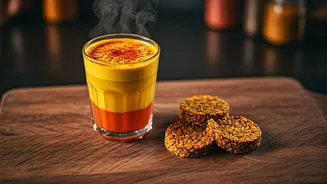
The grand meal drew to a close with a selection of beverages that are quintessential to Indian hospitality, offering a light yet invigorating finish. Guests were presented with the aromatic Kashmiri kahwa, a traditional green tea infused with saffron and cardamom, known for its warming and digestive properties. For those preferring coffee, a meticulously brewed filter coffee provided a robust and flavorful option, a staple in South Indian households. Complementing these were fine Darjeeling teas, celebrated globally for their delicate aroma and nuanced taste. To further enhance the post-meal experience, the offerings included Indian Rose and Mishri Gulkand Chocolate Leaf, a delicate chocolate confection infused with candied rose petals and rock sugar, providing a final touch of sweetness and traditional Indian flavors that lingered pleasantly.